Morocco Traditional Wear

Morocco Traditional Wear: Discover the Beauty of Moroccan

The vibrant culture of Morocco is reflected in its traditional clothing, where every pattern, fabric, and design tells a story of heritage and identity.

From the intricate details on a djellaba to the luxurious fabrics of a kaftan, Moroccan attire is a testament to the country’s rich history and craftsmanship.

Morocco Traditional Wear

morocco traditional wear

This article will take you on a journey through the fascinating world of Moroccan clothing, exploring its significance, history, and modern interpretations.

Key Takeaways

  • Understanding the cultural significance of Moroccan clothing
  • Exploring the history behind traditional Moroccan attire
  • Discovering modern interpretations of classic Moroccan designs
  • Learning about the craftsmanship involved in creating Moroccan clothing
  • Identifying the different types of traditional Moroccan garments

The Rich Heritage of Moroccan Clothing

The heritage of Moroccan clothing is a complex tapestry woven from various cultural influences. This traditional wear is not just a reflection of the country’s history but also plays a significant role in its cultural identity.

A Tapestry of Cultural Influences

Moroccan clothing is influenced by the Berber, Arab, and Mediterranean cultures. The traditional dress reflects this diverse heritage, incorporating various patterns, colors, and fabrics. The intricate designs and craftsmanship that go into creating these garments are a testament to the country’s rich cultural landscape.

The Significance of Traditional Dress in Moroccan Identity

The traditional dress in Morocco is more than just clothing; it’s a symbol of national identity and cultural values. It represents modesty, hospitality, and community, values that are deeply ingrained in Moroccan society. Understanding the significance of traditional dress provides insight into the country’s history and its people’s way of life.

Historical Evolution of Morocco Traditional Wear

The historical evolution of Morocco’s traditional wear is a complex narrative that spans centuries and multiple cultural influences. This rich heritage has been shaped by various factors, including geographical location, cultural exchange, and historical events.

Pre-Islamic Berber Foundations

The earliest foundations of Moroccan traditional wear date back to the pre-Islamic Berber culture. The Berbers, indigenous to North Africa, developed a distinct clothing style that reflected their cultural identity. Traditional Berber clothing was characterized by the use of wool, cotton, and other locally sourced materials.

Islamic and Arab Contributions

With the advent of Islam in the 7th century, Moroccan clothing began to incorporate Islamic and Arab influences. The adoption of new textiles and embroidery techniques enriched the traditional Moroccan dress. The kaftan, for instance, became a staple in Moroccan fashion, symbolizing elegance and sophistication.

European and Ottoman Influences

Moroccan traditional wear was also influenced by European and Ottoman styles, particularly during the periods of colonization and trade. The introduction of new fabrics and tailoring techniques further diversified Moroccan clothing. A comparative analysis of these influences is presented in the following table:

InfluenceCharacteristicsImpact on Moroccan Wear
BerberUse of local materials, wool, and cottonFoundation of traditional Moroccan clothing
Islamic/ArabIntroduction of new textiles, embroideryEnrichment of traditional dress, adoption of kaftan
European/OttomanNew fabrics, tailoring techniquesDiversification of Moroccan clothing, modernization

As noted by historian Susan Gilson Miller, “Moroccan dress is a reflection of the country’s complex cultural heritage, with influences from various traditions.” This quote underscores the multifaceted nature of Moroccan traditional wear.

The Iconic Djellaba: Morocco’s Signature Garment

The djellaba, with its distinctive design and comfort, is Morocco’s signature garment that has garnered appreciation worldwide. This traditional attire is not just a piece of clothing; it’s a representation of Moroccan culture and heritage.

Design and Structure of the Djellaba

The djellaba’s design is characterized by its long, loose-fitting robe with a pointed hood. It’s typically made from wool or cotton, depending on the season.

Male vs. Female Djellaba Styles

While the basic structure remains the same, there are distinct differences between male and female djellabas. Men’s djellabas are often simpler, while women’s versions are more decorative.

Seasonal Variations in Fabric and Design

The choice of fabric and design varies with the seasons. Thicker, heavier fabrics are used in winter, while lighter materials are preferred in summer.

Regional Variations and Styles

Regional variations of the djellaba reflect the diverse cultural and geographical landscapes of Morocco. For instance:

  • In the north, djellabas are often more influenced by Mediterranean styles.
  • In the south, the designs are more aligned with Saharan and sub-Saharan traditions.

Modern Adaptations of the Djellaba

Modern designers have been reimagining the traditional djellaba, incorporating contemporary elements while maintaining its essence. These adaptations have made the djellaba appealing to a wider audience, both locally and internationally.

The evolution of the djellaba is a testament to the dynamic nature of Moroccan fashion, blending tradition with modernity.

The Majestic Kaftan: Royal Elegance in Fabric Form

Morocco’s traditional kaftan is not just a garment; it’s a representation of the nation’s history, culture, and artistry. The kaftan has been a cornerstone of Moroccan attire for centuries, reflecting the country’s rich cultural heritage and its blend of various influences.

Historical Origins of the Moroccan Kaftan

The Moroccan kaftan has its roots in ancient Persia, from where it spread to various parts of the Islamic world, including Morocco. Over time, it evolved to incorporate local traditions and craftsmanship, becoming an integral part of Moroccan identity.

Ceremonial and Wedding Kaftans

The kaftan plays a significant role in Moroccan ceremonies, particularly weddings. Ceremonial kaftans are designed with intricate patterns and symbolic colors, making them truly majestic.

Color Symbolism in Traditional Kaftans

The colors used in traditional kaftans carry significant meanings. For instance, white symbolizes purity, while red represents good fortune. These symbolic colors add depth to the beauty of the kaftan.

The Seven-Dress Wedding Ceremony

In a traditional Moroccan wedding, the bride wears seven different kaftans, each representing a different aspect of her life and the couple’s future together. This seven-dress ceremony is a cherished tradition that highlights the kaftan’s importance in Moroccan weddings.

Contemporary Kaftan Designs

While traditional kaftans are revered for their historical significance, contemporary designers have begun to modernize the kaftan, incorporating new fabrics and designs. This blend of tradition and modernity has made the kaftan appealing to a new generation, ensuring its continued relevance in Moroccan fashion.

As quoted by a renowned fashion designer, “The kaftan is a timeless piece that bridges the past and the present, offering endless possibilities for creativity and innovation.” This sentiment is echoed in the evolving designs of the Moroccan kaftan, which continue to captivate both locals and international audiences.

“The kaftan is not just a garment; it’s a work of art that tells the story of Morocco’s rich cultural heritage.”

Traditional Headwear and Accessories

In Moroccan culture, traditional headwear and accessories are not just decorative but also carry significant cultural meaning. These elements are crucial in completing the traditional Moroccan look, adding both elegance and cultural depth.

The Fez and Other Male Headwear

The Fez is one of the most iconic elements of Moroccan male traditional wear. Originating from the city of Fez, this conical felt hat has become a symbol of Moroccan heritage. Other forms of male headwear include turbans and headscarves, which vary by region and personal preference.

Women’s Headscarves and Veils

Women’s headwear in Morocco includes a variety of scarves and veils that serve both practical and decorative purposes. These can be intricately designed and are often used to add a touch of elegance to traditional outfits. The way these are worn can also signify marital status, age, and regional identity.

Jewelry and Decorative Elements

Moroccan jewelry is renowned for its intricate designs and use of precious metals and stones. Berber silverwork is particularly notable, reflecting the rich cultural heritage of the Berber communities.

Berber Silver Traditions

Berber silver jewelry is characterized by its use of symbols and motifs that tell stories and convey cultural values. This traditional craftsmanship is passed down through generations, maintaining its significance in Moroccan culture.

Symbolic Motifs in Moroccan Jewelry

Moroccan jewelry often features motifs that have symbolic meanings, such as protection, prosperity, and love. These motifs are not just decorative; they carry deep cultural significance and are an integral part of Moroccan identity.

Type of AccessoryCultural SignificanceRegional Variations
FezSymbol of Moroccan heritageVariations in color and design
Women’s HeadscarvesSignify marital status and ageDiffering patterns and fabrics
Berber Silver JewelryReflects Berber cultural heritageVariations in motifs and craftsmanship

Fabrics and Materials in Morocco Traditional Wear

In Moroccan culture, traditional wear is distinguished by its exquisite fabrics and embellishments. The choice of materials and fabrics plays a crucial role in defining the beauty and authenticity of Moroccan garments.
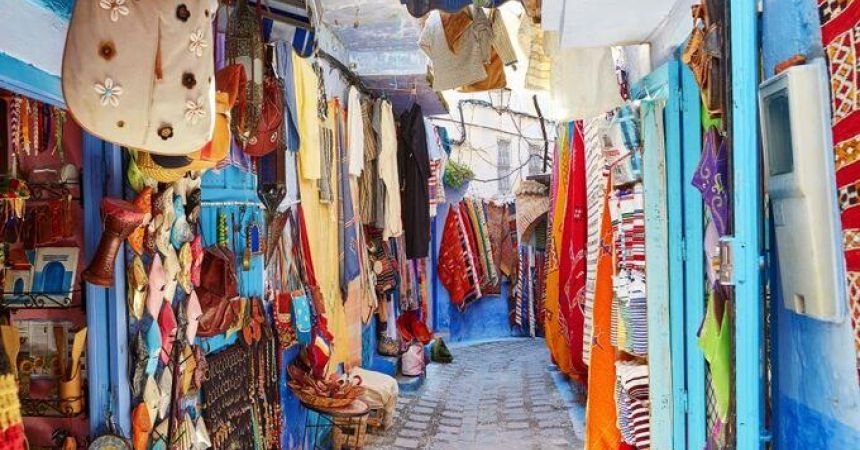
Morocco Traditional Wear

Moroccan fabrics

Silk, Cotton, and Wool: The Foundation Fabrics

The foundation of Moroccan traditional wear lies in its use of high-quality fabrics such as silk, cotton, and wool. Silk is prized for its luxurious feel and is often used in ceremonial garments. Cotton is valued for its durability and comfort, making it suitable for everyday wear. Wool, particularly from the Atlas Mountains, is cherished for its warmth and is used in making traditional cloaks and blankets.

Embellishment Materials: Gold Thread and Sequins

Moroccan traditional wear is renowned for its intricate embellishments, with gold thread and sequins being prominent materials used to add luxury and beauty. These embellishments are skillfully applied to garments through techniques such as embroidery and appliqué, enhancing the visual appeal of the clothing.

Natural Dyes and Traditional Coloring Techniques

The use of natural dyes is a hallmark of Moroccan textile tradition. Techniques passed down through generations involve extracting colors from plants, minerals, and insects to dye fabrics. This not only ensures the authenticity of the textiles but also contributes to their unique, rich colors that are characteristic of Moroccan traditional wear.

Regional Variations in Moroccan Dress

From the northern cities to the southern deserts, Moroccan traditional wear varies significantly across regions, reflecting the diverse cultural, historical, and geographical contexts of each area.

The northern regions of Morocco, particularly Tangier and Tetouan, have been influenced by Mediterranean and European styles, resulting in a unique blend of traditional and modern elements.

Northern Styles: Tangier and Tetouan

The traditional dress in Tangier and Tetouan often features intricate embroidery and a mix of Moroccan and Andalusian patterns, reflecting the historical cultural exchange between these regions.

Central Regions: Fez, Meknes, and Rabat

In the central regions, the influence of the imperial cities is evident. The traditional dress here is often more conservative and ornate, with a focus on rich fabrics and detailed craftsmanship.

Southern Traditions: Marrakech and the Atlas

The southern regions, including Marrakech and the Atlas Mountains, have a distinct style characterized by vibrant colors and bold patterns, often incorporating Berber traditions.

Saharan Influences in Moroccan Dress

The Saharan regions bring a unique touch to Moroccan attire, with flowing robes and turbans that protect against the desert climate, reflecting the practical and cultural needs of the people living there.

RegionCharacteristicsInfluences
Northern (Tangier, Tetouan)Intricate embroidery, blend of Mediterranean and Moroccan stylesEuropean, Andalusian
Central (Fez, Meknes, Rabat)Conservative, ornate, rich fabricsImperial Moroccan traditions
Southern (Marrakech, Atlas)Vibrant colors, bold patternsBerber traditions
SaharanFlowing robes, turbansDesert climate practicalities

The Artisanship Behind Moroccan Garments

The beauty of Moroccan traditional wear lies in its meticulous craftsmanship. For centuries, skilled artisans have been perfecting their techniques, creating garments that are not only aesthetically pleasing but also rich in cultural significance.

Traditional Weaving Techniques

Traditional weaving is a cornerstone of Moroccan textile art. Artisans use ancient looms to weave intricate patterns and designs into fabrics. This technique, passed down through generations, requires great skill and patience. The result is a fabric that is both durable and beautiful, often used in traditional clothing such as the Djellaba and Kaftan.

Embroidery and Decorative Arts

Embroidery is another vital aspect of Moroccan garment construction. Intricate designs are stitched onto fabrics using various techniques, including the renowned Sfifa and Skalli embroidery styles. These decorative elements add an extra layer of beauty and significance to the garments.

The Art of Sfifa and Skalli Embroidery

Sfifa and Skalli are traditional embroidery techniques that have been practiced for centuries. Sfifa involves intricate stitching that creates a decorative border, while Skalli is known for its use of gold and silver thread to create elaborate designs. These techniques are highly prized for their beauty and complexity.

Regional Embroidery Styles

Different regions in Morocco have their unique embroidery styles, reflecting local traditions and cultural influences. For example, the embroidery in the north may differ significantly from that in the south, showcasing the diversity and richness of Moroccan textile arts.

The Role of Guilds and Artisan Communities

Guilds and artisan communities play a crucial role in preserving traditional Moroccan crafts. These organizations support artisans by providing training, resources, and a platform to showcase their work. By sustaining these traditional practices, they help keep Moroccan cultural heritage alive.

As Moroccan garments continue to captivate audiences worldwide, the artisans behind these beautiful pieces remain committed to their craft. Their dedication to traditional weaving and embroidery ensures that Moroccan traditional wear remains a vibrant and integral part of the country’s identity.

“The art of traditional Moroccan clothing is a reflection of the country’s history, culture, and the skill of its artisans.”

Ceremonial and Wedding Attire in Morocco

In Morocco, wedding and ceremonial garments are not just clothing, but significant cultural symbols that embody the country’s rich heritage and traditions. These special occasion outfits are characterized by their intricate designs, vibrant colors, and symbolic meanings, reflecting the importance of community and faith in Moroccan society.

moroccan wedding dress

moroccan wedding dress

The Moroccan Wedding Dress Tradition

The Moroccan wedding dress is a highlight of the country’s ceremonial attire, known for its elaborate designs and symbolic colors. Traditionally, the bride wears multiple outfits during the wedding celebrations, each with its own significance. The Takchita, a layered dress, is a staple of Moroccan weddings, often adorned with intricate embroidery and decorative elements.

Festival and Celebration Garments

Moroccans wear their finest attire during festivals and celebrations, showcasing the country’s rich textile heritage. For instance, during the Mawlid celebrations, people wear their best traditional clothes, often featuring intricate patterns and vibrant colors. These garments not only reflect the joy and festivity of the occasion but also the wearer’s status and respect for tradition.

Religious Occasion Attire

Religious occasions in Morocco are marked with attire that reflects the country’s deep-rooted Islamic traditions. For example, during Eid prayers, men and women dress in their finest, modest clothing, often in white or other symbolic colors. The attire for religious occasions is characterized by simplicity, modesty, and a deep respect for tradition.

Ceremonial and wedding attire in Morocco is a testament to the country’s rich cultural tapestry, blending historical influences with contemporary style. These garments play a crucial role in Moroccan celebrations, embodying the values of community, faith, and tradition.

Modern Interpretations of Morocco Traditional Wear

Moroccan traditional wear is experiencing a renaissance, thanks to contemporary designers who are reimagining classic styles. This revival is not just about preserving the past; it’s about innovating for the future.

Contemporary Designers Reimagining Tradition

Designers like Aziz Akhannouch are at the helm of this movement, blending traditional Moroccan elements with modern aesthetics. Their designs showcase the versatility of Moroccan traditional wear, making it appealing to a new generation. As “Fashion is not just about clothes; it’s about a way of life.” This quote resonates with the approach of contemporary Moroccan designers who are redefining traditional wear.

The use of innovative materials and techniques is also a hallmark of modern Moroccan fashion. Designers are incorporating sustainable practices and new textiles into their creations, ensuring that Moroccan traditional wear remains relevant in the global fashion landscape.

Fusion of Traditional and Western Elements

The fusion of traditional Moroccan elements with Western styles is creating a unique blend that is captivating audiences worldwide. This blend is evident in the incorporation of Western silhouettes with traditional Moroccan embroidery and patterns. As a result, Moroccan traditional wear is becoming more versatile and accessible to a broader audience.

According to

“The future of Moroccan fashion lies in its ability to balance tradition with innovation.” –

Fashion Expert

, the key to the success of modern Moroccan designers is their ability to merge the old with the new, creating a distinctive style that honors the country’s heritage while embracing global trends.

Preserving and Caring for Authentic Morocco Traditional Wear

To keep Moroccan traditional garments in pristine condition, it’s essential to understand the best practices for their preservation and care. Moroccan clothing is not just beautiful but also carries significant cultural and historical value, making its preservation crucial.

Proper Storage and Maintenance

Proper storage is the first step in preserving Moroccan traditional wear. Garments should be stored in a cool, dry place, away from direct sunlight to prevent fading and damage to the fabric. Using breathable storage materials like cotton or muslin bags is recommended, as they allow air to circulate around the garments, preventing moisture buildup.

Regular maintenance is also crucial. This includes gentle cleaning methods and avoiding harsh chemicals that can damage the fabric or cause colors to bleed. For delicate or heavily soiled items, professional cleaning services that specialize in traditional garments are advisable.

Restoration and Repair of Vintage Pieces

Restoring vintage Moroccan garments requires a skilled hand and a deep understanding of traditional textile arts. The process involves carefully repairing damaged areas, re-embroidering worn-out designs, and restoring the garment to its original glory without compromising its authenticity.

Restoration TechniqueDescriptionBenefit
Re-embroideryCarefully re-creating traditional embroidery patterns on worn-out areas.Preserves the original design and cultural significance.
Fabric RepairMending tears and damaged areas with matching fabric and techniques.Extends the life of the garment.
DyeingRestoring or changing the color of the garment using traditional natural dyes.Revitalizes the appearance and can correct fading.

By employing these restoration techniques, vintage Moroccan garments can be preserved for future generations, maintaining their cultural and historical significance.

Conclusion

Morocco traditional wear is a vibrant reflection of the country’s rich cultural heritage. From the iconic djellaba to the majestic kaftan, every garment tells a story of tradition, identity, and craftsmanship. As explored in this article, the history, significance, and modern interpretations of Moroccan clothing are interconnected, forming a tapestry that continues to evolve.

By appreciating and preserving this heritage, we can ensure that Morocco’s traditional wear remains a living, breathing part of its culture. The intricate designs, luxurious fabrics, and skilled artisanship that characterize Moroccan clothing are a testament to the country’s enduring legacy. As we conclude our journey through Morocco traditional wear, it is clear that this cultural treasure is worth celebrating and preserving for future generations.

FAQ

What is the significance of traditional dress in Moroccan identity?

Traditional dress plays a significant role in Moroccan culture, symbolizing values such as modesty, hospitality, and community.

What are the main influences on Moroccan clothing?

Moroccan clothing is a tapestry woven from various cultural influences, including Berber, Arab, and Mediterranean traditions.

What is a djellaba, and what are its characteristics?

The djellaba is Morocco’s signature garment, known for its comfort and versatility, with variations in design and structure between male and female styles, as well as across different seasons and regions.

What is the historical significance of the kaftan in Moroccan culture?

The kaftan is a majestic garment in Moroccan culture, often associated with royalty and elegance, with its roots in ancient traditions and evolving over time to become an integral part of ceremonial and wedding attire.

What are some traditional Moroccan fabrics and materials?

Silk, cotton, and wool are foundational fabrics in Moroccan traditional wear, with embellishments like gold thread and sequins adding luxury and beauty.

How do regional variations impact Moroccan dress?

Moroccan dress varies significantly across different regions, reflecting local cultures and histories, with distinct styles in the north, central regions, south, and Saharan areas.

What is the role of artisanship in Moroccan garments?

The artisanship behind Moroccan garments is a testament to the country’s rich craft traditions, with traditional weaving techniques, embroidery, and decorative arts being preserved and passed down through generations.

How is traditional Moroccan clothing preserved and cared for?

Proper storage and maintenance are crucial for extending the life of traditional Moroccan garments, while restoration and repair of vintage pieces require skill and care to respect the original craftsmanship.

How are modern interpretations redefining Moroccan traditional wear?

Contemporary designers are reimagining traditional garments, incorporating new styles and materials while maintaining their cultural essence, creating a unique blend that appeals to both local and international audiences.visit Marrakech
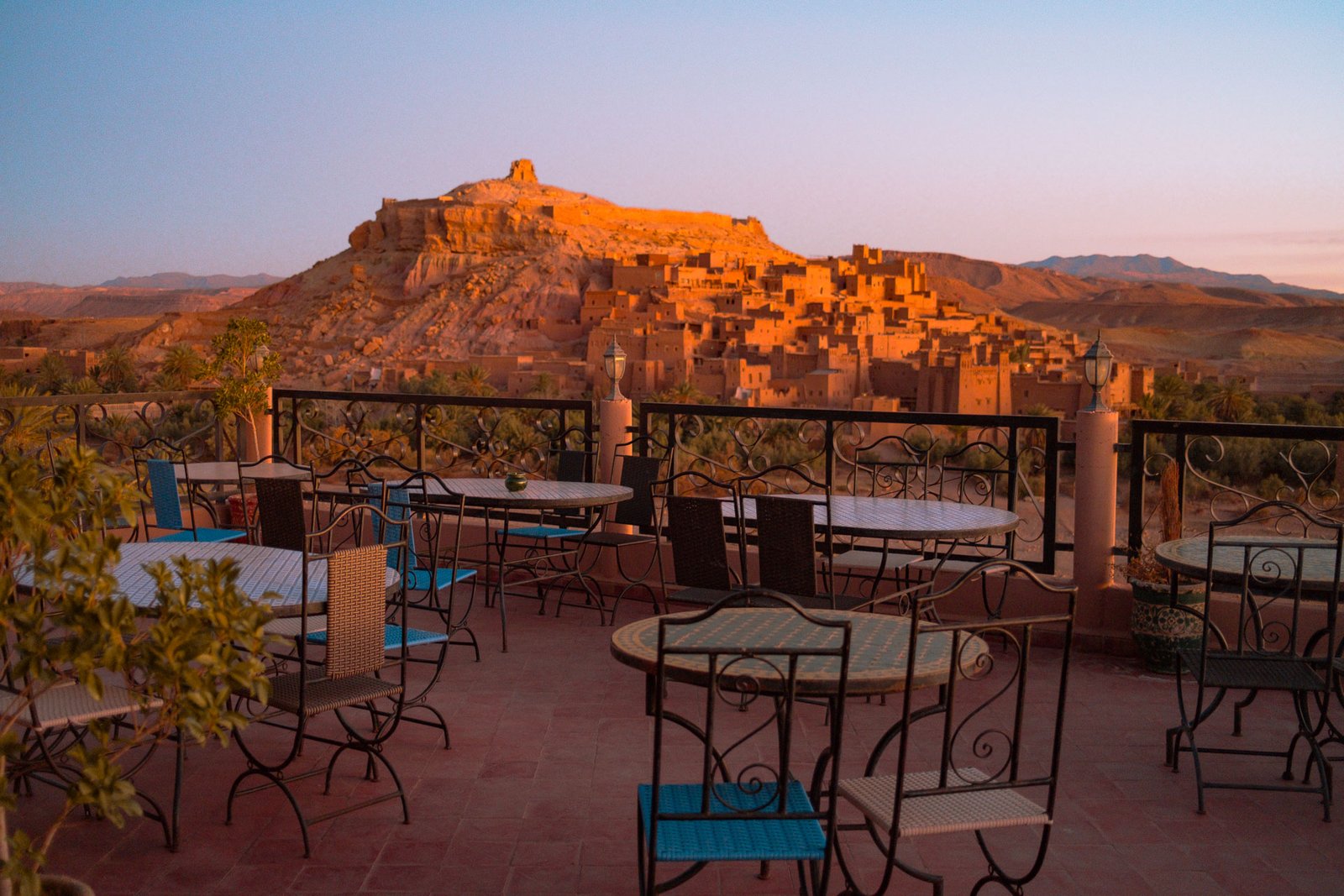
Visit Morocco

When Is the Best Time to Visit Morocco?

Morocco, a country known for its rich cultural heritage and diverse landscapes, is a destination that attracts travelers from around the world. From the vibrant cities to the stunning natural beauty, Morocco has something to offer for everyone.

Visit Morocco

best time to visit Morocco

With its unique blend of African, Arab, and European influences, Morocco is a fascinating place to explore. Understanding the optimal time to travel to Morocco is crucial to making the most of your trip.

Key Takeaways

  • Morocco’s climate varies greatly from north to south.
  • The peak tourist season is during the spring and autumn months.
  • The Atlas Mountains offer a cooler climate year-round.
  • Major cities like Marrakech and Fez are bustling with activity.
  • The coastal towns provide a more relaxed atmosphere.

Morocco’s Climate Overview

The varied geography of Morocco significantly influences its climate, creating a range of weather conditions across the country. Morocco’s climate is characterized by its diverse landscapes, from the Atlas Mountains to the Sahara Desert.

Geographic Diversity and Its Impact on Weather

Morocco’s geography is marked by significant diversity, including coastal regions, mountains, and deserts. This diversity has a profound impact on the country’s weather patterns. The Atlas Mountains, for instance, create a rain shadow effect, resulting in varied precipitation levels across different regions. The coastal areas tend to have a milder climate compared to the inland regions, which can experience extreme temperatures.

General Seasonal Patterns

Morocco experiences a range of seasonal patterns due to its geographic diversity. Generally, the country has a Mediterranean climate characterized by warm summers and mild winters. The spring season, from March to May, is particularly pleasant, with mild temperatures and blooming landscapes. In contrast, the summer months can be very hot, especially in the desert regions. Autumn brings comfortable temperatures again, while winters can be cool, especially in the mountains.

“Morocco’s climate is as varied as its culture, offering something for every kind of traveler.”

Understanding these general seasonal patterns is crucial for planning a trip to Morocco, as it allows travelers to make informed decisions about the best time to visit based on their preferences.

Spring in Morocco: March to May

Morocco’s spring season, spanning March to May, is characterized by pleasant weather and exciting festivals. This period is ideal for exploring the country’s diverse landscapes and experiencing its rich cultural heritage.

Weather Conditions and Temperatures

During the spring, Morocco enjoys mild temperatures, ranging from 15°C to 25°C (59°F to 77°F), making it an excellent time to visit. The weather is generally sunny, with minimal rainfall, especially in the southern regions.

The Atlas Mountains remain a highlight, with snow-capped peaks gradually melting, creating lush landscapes. Coastal areas like Essaouira and Taghazout benefit from gentle breezes, perfect for windsurfing and kitesurfing.

Spring Festivals and Events

Spring in Morocco is marked by various festivals and events. The Marrakech Popular Arts Festival in July, although slightly beyond spring, is preceded by the Errachidia Music Festival in May, celebrating Berber culture. Additionally, the Rose Festival in El Kelaa M’Gouna, typically in May, honors the rose harvest with parades and traditional dances.

Best Spring Activities and Destinations

Spring is an excellent time for outdoor activities such as hiking in the Atlas Mountains, exploring the Sahara Desert, or relaxing on the coastal beaches. Popular destinations include Marrakech for its vibrant souks, Fes for its historical significance, and Chefchaouen for its picturesque blue-painted buildings.

DestinationActivityTemperature Range
MarrakechExplore Souks, Visit Historical Sites18°C – 25°C
FesVisit Ancient Medina, Al-Attarine Madrasa15°C – 23°C
ChefchaouenHike, Relax in Blue-Painted Town12°C – 20°C

Summer in Morocco: June to August

Summer in Morocco, spanning from June to August, is characterized by high temperatures and vibrant cultural events. While the heat can be intense, Morocco offers various ways to enjoy the summer, from cooler coastal retreats to mountain escapes.

Heat Considerations and Regional Variations

The summer months bring high temperatures across Morocco, with the desert regions experiencing extreme heat. However, regional variations offer relief in certain areas. The coastal regions tend to be cooler than inland areas, while the mountains provide a cooler climate.

Coastal Retreats and Mountain Escapes

For those looking to escape the heat, coastal towns like Essaouira and Taghazout offer a refreshing ocean breeze. Alternatively, the Atlas Mountains provide a cooler climate, ideal for hiking and exploring. These destinations are perfect for travelers seeking respite from the summer heat.

Summer Cultural Experiences

Summer in Morocco is not just about the heat; it’s also a time for cultural experiences. The Mawazine Festival in Rabat, typically held in June, celebrates music and culture with performances from around the world. Additionally, various regions host summer festivals, showcasing local traditions and arts.

These cultural events offer a unique insight into Moroccan culture, making summer a great time to experience the country’s rich heritage.

Fall in Morocco: September to November

Fall in Morocco brings a unique blend of mild weather, harvest experiences, and festive events. As the summer heat dissipates, the country transforms into a comfortable and inviting destination for travelers.

Visit Morocco

Morocco fall

Weather Patterns and Temperatures

During the fall, Morocco experiences a pleasant climate, with average temperatures ranging from 64°F to 75°F (18°C to 24°C). The weather is generally mild, making it ideal for exploring the country’s diverse landscapes and cultural sites.

Harvest Season Experiences

Fall is the harvest season in Morocco, offering visitors a chance to experience the country’s rich agricultural traditions. From olive harvesting in the Atlas Mountains to grape picking in the regions around Meknès and Fes, there are numerous opportunities to engage with local farming practices.

Key harvest experiences include:

  • Olive oil production
  • Grape harvesting for wine production
  • Visiting local markets to sample fresh produce

Fall Festivals and Events

Morocco’s fall season is marked by various festivals and cultural events. One of the most notable is the Marrakech International Film Festival, which attracts filmmakers and cinema enthusiasts from around the world.

“The Marrakech International Film Festival is a celebration of global cinema, showcasing a diverse range of films and providing a platform for cultural exchange.”

Other events include local harvest festivals, which offer a glimpse into Morocco’s rich cultural heritage and traditions.

Winter in Morocco: December to February

From the snow-capped Atlas Mountains to the mild coastal regions, Morocco’s winter season offers a diverse range of experiences. As the cold weather sets in across much of Europe and North America, Morocco provides a warm and welcoming alternative, with temperatures varying significantly across different parts of the country.

Winter Climate Across Regions

Morocco’s climate during winter varies greatly from north to south and from coastal to mountainous regions. The Atlas Mountains receive significant snowfall, making them ideal for winter sports. In contrast, the coastal regions, such as Casablanca and Rabat, enjoy milder winters, with temperatures rarely dropping below 10°C (50°F). The desert regions can be cool at night but warm during the day, making them a great destination for those looking to escape harsher winter conditions elsewhere.

RegionAverage Temperature (°C)Weather Conditions
Atlas Mountains0-5Snowfall, ideal for winter sports
Coastal Regions10-15Mild, occasional rain
Desert Regions10-20Cool nights, warm days

Winter Sports in the Atlas Mountains

The Atlas Mountains offer some of the best skiing and snowboarding in Africa. Resorts like Oukaïmeden and Mischliffen provide a range of slopes for different skill levels, making Morocco a great destination for winter sports enthusiasts. The snow season typically runs from December to March, with the best conditions usually found in January and February.

Holiday Celebrations and Experiences

Winter is also a time for festive celebrations in Morocco. The country observes Christmas and New Year’s Eve, with many hotels and resorts offering special holiday packages. Additionally, the Mawlid al-Nabi, celebrating the birth of the Prophet Muhammad, often falls in winter, providing a unique cultural experience for visitors.

“The winter season in Morocco is a time of joy and celebration, with a blend of international and local festivities that add to the country’s vibrant cultural tapestry.”

Overall, Morocco in winter offers a unique blend of outdoor activities, cultural experiences, and relaxation, making it an attractive destination for travelers looking for something different during the colder months.

The Best Time to Visit Morocco’s Major Cities

From the bustling streets of Marrakech to the serene landscapes of Chefchaouen, Morocco’s cities offer diverse experiences throughout the year. Each city has its unique charm and ideal time to visit, making Morocco a versatile destination for travelers.

Marrakech: When to Experience the Red City

Marrakech is vibrant year-round, but the best time to visit is during spring (March to May) or autumn (September to November). These seasons offer pleasant temperatures, making it ideal for exploring the city’s souks, gardens, and landmarks. Summer can be very hot, while winters are mild but can be busy during the holiday season.

Fes: Ideal Timing for the Cultural Capital

Fes, with its rich history and cultural significance, is best visited during spring or autumn. The weather is mild, and the city’s ancient medina, mosques, and madrasas are more comfortably explored without the peak summer heat. Spring adds a beautiful bloom to the city’s gardens and surrounding countryside.

Casablanca and Rabat: Coastal City Timing

Casablanca and Rabat, Morocco’s coastal cities, have a Mediterranean climate. The best time to visit is during autumn and spring when the weather is pleasant. Summer can be humid, while winters are generally mild. These cities are great year-round destinations for those who prefer coastal experiences.

Chefchaouen: Visiting the Blue City

Chefchaouen, nestled in the Rif Mountains, is known for its blue-painted buildings. The best time to visit is during spring and early autumn. The weather is mild, and the surrounding natural beauty is particularly stunning during these seasons. Summer can be warm, but it’s a great time for hiking and exploring the outdoors.

CityBest Time to VisitWeather Conditions
MarrakechSpring, AutumnPleasant temperatures
FesSpring, AutumnMild weather
Casablanca and RabatAutumn, SpringPleasant, mild winters
ChefchaouenSpring, Early AutumnMild, great for hiking

When to Explore Morocco’s Natural Wonders

Morocco’s diverse landscapes offer a wealth of natural wonders to explore. From the vast dunes of the Sahara Desert to the rugged peaks of the Atlas Mountains and the pristine beaches along its coastline, Morocco’s natural beauty is a major draw for travelers.

Sahara Desert Excursions: Timing Considerations

The best time to visit the Sahara Desert is during the winter months (December to February) when temperatures are more bearable, making desert excursions more comfortable. Avoid visiting during the peak summer months as temperatures can soar.

Atlas Mountains: Hiking and Exploration Seasons

The Atlas Mountains are ideal for hiking and exploration during the spring (March to May) and autumn (September to November). These seasons offer mild temperatures and clear skies, perfect for trekking and enjoying the scenic beauty.

Coastal Areas and Beaches: Best Months

The coastal areas and beaches of Morocco are best enjoyed during the summer months (June to August) when the weather is warm and sunny. However, the shoulder season (April to May and September to October) can also be pleasant, with fewer crowds.

Understanding the best times to visit Morocco’s natural wonders can significantly enhance your travel experience, allowing you to enjoy these beautiful landscapes to the fullest.

Traveling During Ramadan and Religious Holidays

Ramadan in Morocco is a period of spiritual reflection, community, and distinct cultural practices. Visitors during this time can experience the local culture in a unique way, though it’s essential to be respectful of the traditions and customs.

Visit Morocco

Morocco Ramadan

What to Expect During Ramadan

During Ramadan, Muslims fast from dawn to sunset. This period is characterized by a sense of community and spirituality. Tourists should be prepared for changes in daily routines, with many restaurants and cafes closed during the day. However, the evenings come alive with food, music, and a vibrant atmosphere. It’s a great time to experience Moroccan hospitality and traditional cuisine.

As one traveler noted, “Ramadan in Morocco is a sensory experience like no other, with the aroma of traditional foods and the sound of prayers filling the air.” This sentiment reflects the unique cultural immersion that visitors can enjoy during this period.

Other Religious Observances and Their Impact on Travel

Apart from Ramadan, Morocco celebrates other significant religious holidays, such as Eid al-Fitr and Eid al-Adha. These celebrations can impact travel plans, with some businesses closing or operating on reduced hours. Understanding and respecting local customs is crucial. Visitors can benefit from experiencing these unique cultural events, which offer a deeper insight into Moroccan society.

For instance, Eid al-Fitr, marking the end of Ramadan, is a time of feasting and gift-giving, providing a fascinating glimpse into Moroccan traditions.

Best Time to Visit Morocco Based on Your Travel Style

The best time to visit Morocco largely depends on your travel preferences and what you want to experience. Morocco’s diverse climate and rich cultural calendar mean that the ideal travel time can vary significantly depending on your interests.

For Cultural Immersion and Festivals

If you’re drawn to Morocco’s vibrant culture and festivals, consider visiting during the spring (March to May) or fall (September to November). These periods coincide with numerous cultural events and festivals, such as the Marrakech Popular Arts Festival in July, though the weather is more pleasant during the shoulder seasons. Experience the local traditions and music that fill the streets during these times.

For Adventure and Outdoor Activities

For those seeking adventure, such as hiking in the Atlas Mountains or exploring the Sahara Desert, the cooler months from October to April are ideal. The temperatures are more manageable, making outdoor activities like trekking and camel rides more enjoyable. Don’t miss the opportunity to watch the sunrise over the desert dunes.

For Photography and Sightseeing

Photographers and sightseers will find the autumn (September to November) and spring (March to May) particularly rewarding. The mild weather and fewer tourists make it easier to explore Morocco’s historic sites and natural beauty. Capture the vibrant colors and textures of the bustling souks and the serene landscapes.

For Budget-Conscious Travelers

Budget-conscious travelers may find that visiting during the shoulder season (April to May or September to October) offers the best balance between cost and experience. The weather is pleasant, and there’s less competition for accommodations and tourist services, making it an ideal time for those looking to save without missing out on the essence of Morocco.

By tailoring your trip to Morocco according to your travel style, you can ensure a more fulfilling and enjoyable experience. Whether you’re drawn to cultural immersion, adventure, photography, or budget travel, Morocco has something to offer at various times of the year.

Practical Tips for Every Season

Planning a trip to Morocco requires more than just choosing the right time to visit; it also involves preparing for the seasonal conditions you’ll encounter. Whether you’re visiting in the spring, summer, fall, or winter, being prepared can make a significant difference in your travel experience.

Packing Recommendations by Season

Packing for Morocco varies significantly with the seasons. In the spring and fall, layers are key due to the fluctuating temperatures. For summer, light, breathable clothing is essential, while winter requires warm clothing, especially for the Atlas Mountains. Don’t forget to include comfortable walking shoes, sun protection, and a respectful dress code for visiting religious sites.

Transportation and Accommodation Considerations

Transportation in Morocco ranges from modern trains to traditional riads. Booking accommodations in advance is advisable, especially during peak travel seasons. Consider riads for a more authentic experience, and research transportation options like trains and buses for convenient travel between cities.

Conclusion: Planning Your Perfect Moroccan Adventure

With its diverse climate and rich cultural heritage, Morocco offers a unique travel experience. Understanding the best time to visit Morocco is crucial for a memorable Morocco adventure. Whether you’re looking to explore the vibrant cities, relax on the coastal beaches, or trek through the Atlas Mountains, timing is everything.

By considering the seasonal variations and planning accordingly, you can make the most of your Morocco travel. Spring and fall are ideal for cultural immersion and outdoor activities, while summer is perfect for coastal retreats. Winter offers a serene landscape and opportunities for winter sports.

With this guide, you’re now equipped to plan your trip to Morocco according to your preferences. Make the most of your Morocco adventure by choosing the best time to visit, and get ready to immerse yourself in the country’s rich history, culture, and natural beauty.

FAQ

What is the best time to visit Morocco?

The best time to visit Morocco depends on your preferences, but generally, spring (March to May) and fall (September to November) are considered ideal due to the pleasant weather.

Is Morocco hot during the summer?

Yes, Morocco can be very hot during the summer, especially in the desert regions, but the coastal areas and mountains offer cooler retreats.

Can I visit Morocco during Ramadan?

Yes, you can visit Morocco during Ramadan, but be respectful of the fasting period and local customs.

What are the best activities to do in Morocco during the spring?

Spring is a great time to explore Morocco’s cities, enjoy outdoor activities like hiking in the Atlas Mountains, and experience the vibrant festivals.

How cold does it get in Morocco during the winter?

Morocco’s climate varies, but the Atlas Mountains can be quite cold, while the coastal regions are generally milder.

Are there any specific events or festivals I should attend in Morocco?

Yes, Morocco hosts various festivals throughout the year, such as the Marrakech International Film Festival and the Fes Festival of World Sacred Music.

What should I pack for a trip to Morocco?

Packing should be adjusted according to the season; light clothing for summer, layers for winter, and comfortable shoes for exploring.

Can I go hiking in the Atlas Mountains during the winter?

Yes, the Atlas Mountains offer opportunities for winter sports, but be prepared for cold weather and potential snow.

How does the climate vary across different regions in Morocco?

Morocco’s climate varies significantly from the coastal regions to the mountains and desert, offering a range of experiences.

Are there budget-friendly options for accommodations in Morocco?

Yes, Morocco offers a range of accommodations, from budget-friendly riads to luxury hotels, depending on your preferences and budget.

What is the best way to get around Morocco?

Morocco has a well-developed transportation network, including trains, buses, and taxis, making it relatively easy to get around.

Cities to Visit in Morocco

Best Cities to Visit in Morocco: From Marrakech to Fes

Morocco is a vibrant country that offers a rich tapestry of cultures, landscapes, and experiences, making it an exciting destination for travelers. From the bustling streets of Marrakech to the historic alleys of Fes, Morocco’s cities are a treasure trove of history, architecture, and cuisine.

Cities to Visit in Morocco

best cities to visit in Morocco

As you plan your Morocco travel, you’ll discover that each city has its unique charm and attractions. Whether you’re drawn to the vibrant souks, the serene landscapes, or the rich cultural heritage, Morocco has something to offer every kind of traveler.

Key Takeaways

  • Marrakech offers a vibrant cultural experience with its bustling markets and historic landmarks.
  • Fes is known for its well-preserved ancient architecture and rich history.
  • Morocco’s diverse landscapes range from serene beaches to the majestic Atlas Mountains.
  • The country’s cuisine is a delicious blend of Arab, Mediterranean, and African flavors.
  • Traveling in Morocco can be a sensory experience, with its colorful markets, aromatic spices, and warm hospitality.

Discovering Morocco’s Cultural Tapestry

The cultural tapestry of Morocco is woven from a diverse array of historical, geographical, and climatic threads. This rich heritage has shaped the country’s unique identity, making it a fascinating destination for travelers.

A Brief History of Morocco

Morocco’s history is a complex narrative of various cultures and empires. From the ancient Berber kingdoms to the Arab conquests and French colonial rule, each era has left its mark on the country’s architecture, cuisine, and traditions. The Alawite dynasty, which has ruled Morocco since the 17th century, continues to play a significant role in the country’s cultural and political life.

Geography and Climate

Morocco’s geography is characterized by diverse landscapes, from the Atlas Mountains to the Sahara Desert and the coastal plains along the Atlantic Ocean. This varied geography has influenced the climate, with Mediterranean and Atlantic weather patterns shaping the country’s ecosystems. The climate varies from region to region, with the mountains experiencing cold winters and the desert areas being hot and arid.

Cities to Visit in Morocco

Morocco culture

Marrakech: The Red City of Adventure

Marrakech, known as the Red City, is a vibrant destination that promises an unforgettable adventure. This captivating city is filled with a rich tapestry of cultural heritage, historical landmarks, and exciting experiences.

Jemaa el-Fnaa Square and the Medina

Jemaa el-Fnaa Square is the heart of Marrakech, a bustling hub of activity where street performers, food stalls, and local vendors come together to create an unforgettable atmosphere. The surrounding Medina, with its narrow alleys and vibrant markets, is a treasure trove of local crafts, spices, and souvenirs.

Street Performers and Night Markets

The night market in Jemaa el-Fnaa is a spectacle not to be missed, with street performers and local cuisine adding to the excitement.

Navigating the Souks

Navigating the souks can be overwhelming, but with a few tips, you can make the most of your experience. Start early, be prepared to haggle, and don’t be afraid to explore the alleys and side streets.

Cities to Visit in Morocco

Marrakech Medina

Bahia Palace and Majorelle Garden

For a glimpse into Marrakech’s rich history, visit the Bahia Palace, a masterpiece of Islamic architecture. The Majorelle Garden, with its stunning blue buildings and lush gardens, is another must-visit attraction.

Where to Stay and Eat in Marrakech

Marrakech offers a range of accommodations, from luxury riads to budget-friendly hotels. For dining, try traditional Moroccan cuisine at local restaurants or sample street food at Jemaa el-Fnaa.

LocationAccommodation TypePrice Range
MedinaRiad$100-$300
City CenterHotel$50-$150

Fes: Morocco’s Cultural Capital

Fes, known as Morocco’s cultural capital, is a city that embodies the country’s rich history and heritage. With its ancient medina, prestigious educational institutions, and traditional crafts, Fes offers a unique cultural experience.

Exploring the Ancient Medina of Fes el Bali

The ancient Medina of Fes el Bali is a labyrinth of narrow streets and alleys, filled with historical landmarks and cultural significance. As you wander through the medina, you’ll discover hidden gems, such as traditional riads and historic mosques.

The Al-Qarawiyyin University and Library

The Al-Qarawiyyin University, founded in 859 AD, is one of the oldest universities in the world. Its library is a treasure trove of ancient manuscripts and historical texts, offering a glimpse into the city’s rich intellectual heritage.

“Fes is a city that is steeped in history and culture, and the Al-Qarawiyyin University is a testament to its enduring legacy.”

Traditional Crafts and Shopping

Fes is renowned for its traditional crafts, including pottery, ceramics, and textiles. Visitors can explore the bustling souks and markets, where they can find unique handicrafts and souvenirs.

The Famous Tanneries

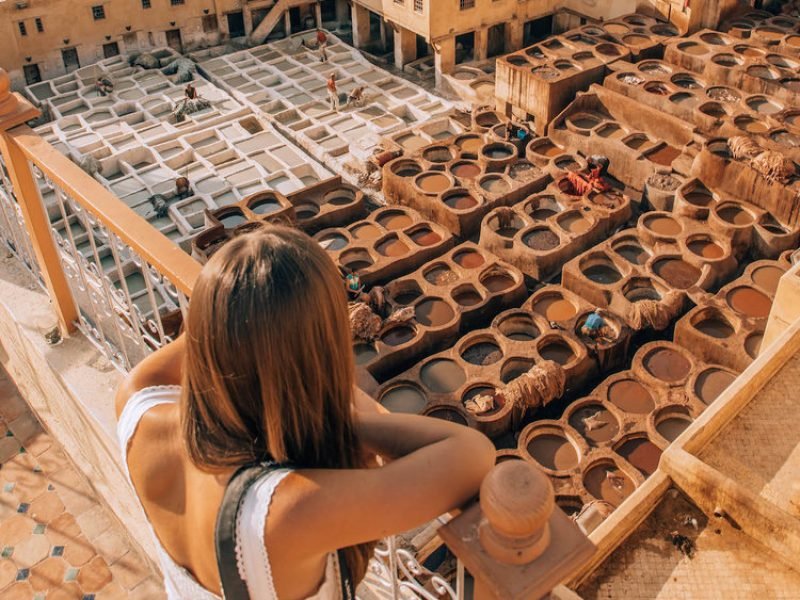
The tanneries in Fes are a fascinating sight, with their traditional methods of leather production dating back centuries. Visitors can witness the tanning process and even purchase leather goods from local artisans.

Pottery and Ceramics

Fes is famous for its pottery and ceramics, which are characterized by their vibrant colors and intricate designs. Visitors can explore local workshops and studios to learn more about this traditional craft.

CraftDescriptionLocation
TanneriesTraditional leather productionFes el Bali
Pottery and CeramicsVibrant colors and intricate designsSouks and markets
TextilesTraditional weaving and embroideryLocal workshops

Casablanca: Morocco’s Modern Metropolis

As Morocco’s largest city, Casablanca is a bustling metropolis that offers a unique blend of old and new. This vibrant city is known for its stunning architecture, rich history, and modern attractions.

Hassan II Mosque and Corniche

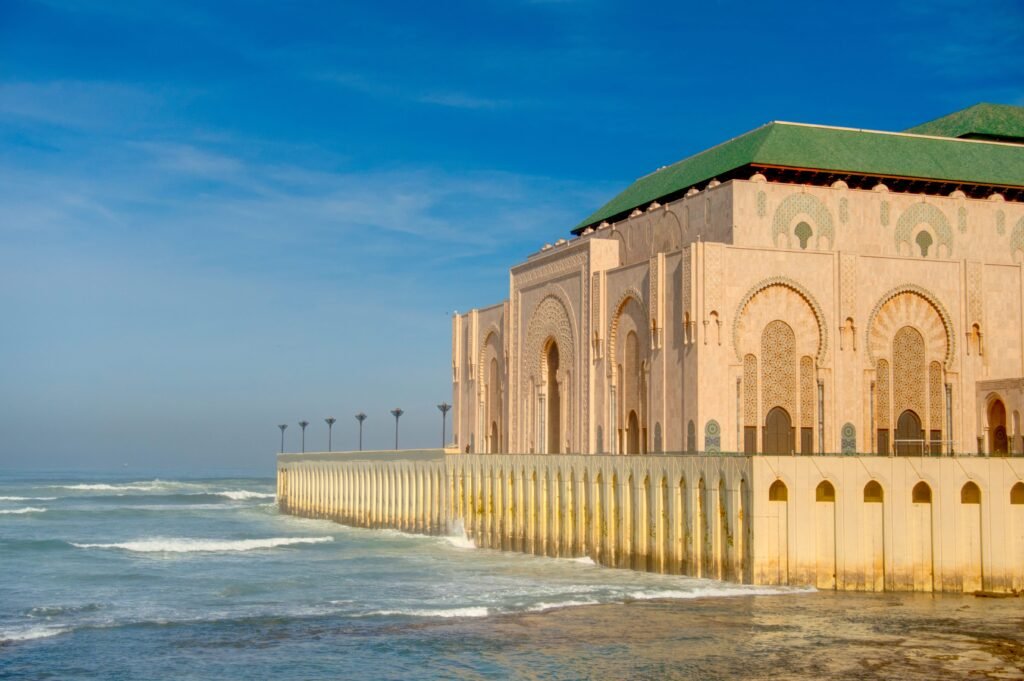
The Hassan II Mosque is one of Casablanca’s most iconic landmarks, showcasing impressive Islamic architecture. The Corniche, a scenic waterfront area, offers beautiful views of the Atlantic Ocean and is perfect for a leisurely stroll.

Art Deco Architecture and Mohammed V Square

Casablanca’s Art Deco heritage is evident in its stylish buildings, adding a touch of elegance to the city. Mohammed V Square is another significant landmark, surrounded by beautiful colonial-era architecture and bustling with activity.

Contemporary Dining and Nightlife

Casablanca’s dining scene is a fusion of traditional Moroccan cuisine and modern international flavors. The city’s nightlife is equally vibrant, with numerous bars, clubs, and lounges offering a range of entertainment options.

Chefchaouen: The Blue Pearl of Morocco

Chefchaouen, affectionately known as the Blue Pearl, offers a unique blend of natural beauty and cultural richness. This charming town is nestled in the Rif Mountains, providing a serene escape for travelers.

Walking Through the Blue-Washed Streets

Walking through Chefchaouen’s blue-washed streets is a mesmerizing experience. The town’s buildings, painted in various shades of blue, create a sense of tranquility. Visitors can get lost in the narrow alleys, discovering hidden corners and local cafes. The blue hue is not just aesthetically pleasing; it is also believed to ward off mosquitoes.

The blue color has become a symbol of the town, attracting artists and photographers from around the world.

Hiking in the Rif Mountains

For adventure seekers, the Rif Mountains offer numerous hiking trails with breathtaking views. The trails range from easy to challenging, catering to different fitness levels. Hikers can explore the local flora and fauna, and enjoy the picturesque landscapes. The views from the top are rewarding, with the blue town nestled among the mountains.

Artisan Workshops and Local Products

Chefchaouen is renowned for its artisan workshops, where visitors can engage with local craftsmen. The town is famous for its handmade products, including textiles, pottery, and woodwork. Shopping for local products not only supports the community but also allows visitors to take a piece of Chefchaouen back home.

ActivityLocationDuration
HikingRif Mountains4-6 hours
Artisan Workshop VisitChefchaouen Medina2-3 hours
Exploring Blue StreetsChefchaouen TownFlexible

Essaouira: The Windy City by the Atlantic

Known for its windy climate and stunning beaches, Essaouira offers a unique blend of adventure, culture, and relaxation. This charming coastal city is a treasure trove of historic sites, vibrant markets, and delicious seafood.

Historic Medina and Portuguese Fortifications

Essaouira’s Medina, a UNESCO World Heritage Site, is characterized by its well-preserved 18th-century architecture and narrow, winding streets. The city’s Portuguese fortifications, including the Skalla fort, add to its historic charm, making it a fascinating place to explore.

Beach Activities and Water Sports

The city’s long sandy beaches are perfect for a range of activities, from surfing and windsurfing to simply relaxing under the sun. Essaouira’s consistent winds make it a haven for water sports enthusiasts, with numerous schools and rental facilities available.

Fresh Seafood and Coastal Cuisine

Essaouira is renowned for its fresh seafood, with an array of restaurants serving dishes made from the day’s catch. The city’s coastal cuisine is a delicious blend of traditional Moroccan flavors and Mediterranean influences, offering visitors a unique gastronomic experience.

Tangier: Gateway Between Continents

With its unique position at the Strait of Gibraltar, Tangier has long been a melting pot of cultures, making it a compelling place to visit. This city embodies the essence of a gateway between continents, offering a blend of African, European, and Mediterranean influences.

The Historic Medina and Kasbah

The heart of Tangier’s historic district is its Medina, a labyrinth of narrow streets and alleys filled with traditional souks and historic landmarks. The Kasbah, once a fortress, now houses museums and historic sites, offering insights into the city’s rich past. Visitors can explore the Tangier Medina, experiencing its vibrant atmosphere and cultural heritage.

Caves of Hercules and Cape Spartel

Just outside Tangier, the Caves of Hercules and Cape Spartel offer breathtaking natural beauty. The caves, with their legend of being a resting place for Hercules, are a fascinating geological formation. Cape Spartel, the northwesternmost point of Africa, provides stunning views of the Atlantic Ocean and the Mediterranean Sea.

International Influence and Literary History

Tangier’s literary history is as rich as its cultural heritage. The city has been a muse for many writers, including Paul Bowles and William S. Burroughs, who were drawn to its international ambiance and creative freedom. This legacy continues to attract artists and writers, making Tangier a city of enduring literary significance.

Some notable attractions in Tangier include:

  • The historic Medina and Kasbah
  • The Caves of Hercules
  • Cape Spartel
  • The American Legation Museum, showcasing the city’s unique diplomatic history

The Best Cities to Visit in Morocco for Different Travel Styles

Whether you’re looking for adventure, cultural immersion, or relaxation, Morocco’s cities have something for everyone. The country’s diverse urban landscapes cater to various travel preferences, making it an ideal destination for a wide range of travelers.

For First-Time Visitors

For those new to Morocco, Marrakech is often the top choice. Its vibrant Jemaa el-Fnaa square, colorful markets, and rich cultural heritage provide an immersive introduction to the country. Fes is another must-visit, with its ancient medina and historical landmarks.

For Culture and History Enthusiasts

Travelers interested in history and culture will find Fes and Marrakech particularly captivating. The ancient medina of Fes el Bali and the Al-Qarawiyyin University are significant cultural and historical sites. In Marrakech, the Bahia Palace and Majorelle Garden are must-visit attractions.

For Beach and Adventure Lovers

Essaouira and Taghazout are perfect for those seeking beach activities and adventure. Essaouira’s coastline offers excellent conditions for surfing and windsurfing, while Taghazout is renowned for its world-class surfing.

For Luxury Travelers

Luxury travelers will enjoy the high-end amenities and services in cities like Marrakech and Casablanca. Marrakech offers luxurious riads and spas, while Casablanca boasts upscale hotels and fine dining experiences.

Practical Tips for City Hopping in Morocco

As you plan your Moroccan adventure, understanding the practical aspects of city hopping can make all the difference. Morocco’s cities are diverse and vibrant, offering a wealth of experiences. However, navigating between them requires some planning.

Transportation Between Cities

Morocco has a well-developed transportation network, making it relatively easy to travel between cities. You have several options to choose from, depending on your budget and preference.

Trains and Buses

The train network, operated by ONCF, is efficient and comfortable, connecting major cities like Marrakech, Fes, and Casablanca. For shorter distances or more rural areas, buses are a viable option, with companies like CTM offering reliable services.

Hiring Drivers and Rental Cars

For more flexibility, consider hiring a driver or renting a car. This allows you to create your own itinerary and enjoy the scenic routes at your own pace.

Accommodation Options

Morocco offers a wide range of accommodations to suit all budgets. From luxury riads in Marrakech to budget-friendly hotels in Fes, you can choose based on your preferences and travel style.

Safety and Cultural Etiquette

Morocco is generally a safe country for tourists. However, it’s essential to respect local customs and traditions. Dress modestly, especially when visiting mosques or rural areas, and be mindful of your surroundings.

“The key to a successful journey in Morocco is understanding and respecting the local culture.”

Best Times to Visit Each City

The best time to visit Morocco’s cities varies. Spring (March to May) and autumn (September to November) are ideal for most cities, offering pleasant weather. Summer can be hot, especially in the south, while winters are mild in the coastal cities.

CityBest Time to Visit
MarrakechSpring, Autumn
FesSpring, Autumn
CasablancaAnytime, mild winters

Conclusion: The Timeless Allure of Moroccan Cities

Morocco’s cities are a testament to the country’s rich cultural heritage and its ability to blend tradition with modernity. From the vibrant streets of Marrakech to the historic medinas of Fes and the coastal charm of Essaouira, each city offers a unique experience that contributes to the allure of Morocco.

As travelers explore these cities, they are met with warm hospitality, a reflection of the country’s values and cultural norms. The diverse experiences available, from exploring ancient ruins and bustling markets to relaxing on pristine beaches, ensure that Morocco has something for every kind of traveler, making it a compelling destination for anyone looking to experience the magic of North Africa.

In conclusion, the timeless allure of Morocco lies in its ability to captivate visitors with its blend of cultural richness, historical significance, and natural beauty. Whether you’re drawn to the bustling cities or the serene landscapes, Morocco promises an unforgettable journey, leaving a lasting impression on all who visit and reinforcing its position as a premier travel destination.

FAQ

What is the best time to visit Morocco?

The best time to visit Morocco is during spring (March to May) and autumn (September to November), when the weather is mild and pleasant, making it ideal for exploring cities like Marrakech, Fes, and Chefchaouen.

How do I get around Morocco?

Morocco has a well-developed transportation network, including trains, buses, and rental cars. You can travel between cities by train using ONCF, or by bus with companies like CTM. For more flexibility, consider hiring a driver or renting a car.

What are the must-try dishes in Morocco?

Moroccan cuisine is known for its rich flavors and aromas. Be sure to try tagines, couscous, and pastilla. Don’t forget to indulge in fresh seafood in coastal cities like Essaouira, and sample local street food like msemen and harira.

Is Morocco safe for tourists?

Morocco is generally considered safe for tourists, with low crime rates compared to other countries. However, as with any travel destination, take normal precautions to protect yourself and your belongings, especially in crowded areas and markets.

What should I pack for a trip to Morocco?

Pack comfortable clothing for walking, including sturdy shoes, as well as layers for cooler evenings. Don’t forget sun protection, a hat, and sunglasses. Modest clothing is recommended, especially when visiting mosques or rural areas.

Can I use credit cards and ATMs in Morocco?

Major cities like Marrakech, Fes, and Casablanca have widespread acceptance of credit cards and a large network of ATMs. However, it’s a good idea to have some local currency, dirhams, for smaller purchases and when traveling to more rural areas.

What are some essential tips for haggling in Moroccan souks?

Haggling is a part of the shopping experience in Morocco. Start with a lower offer than you’re willing to pay, and be prepared to negotiate. Be respectful, smile, and don’t be afraid to walk away if you’re not comfortable with the price.

Can I drink tap water in Morocco?

It’s generally recommended to avoid drinking tap water in Morocco. Stick to bottled or filtered water to stay safe. Many hotels and restaurants provide bottled water, and you can also purchase it from local stores.

Exploring Morocco

A Complete Guide to Traveling and Exploring Morocco

Are you ready to immerse yourself in the vibrant culture and breathtaking landscapes of Morocco? This comprehensive travel guide is designed to help you navigate the best experiences that this fascinating country has to offer.

Exploring Morocco

Exploring Morocco

From the bustling streets of Marrakech to the serene dunes of the Sahara Desert, Morocco is a treasure trove of unforgettable experiences. Whether you’re a seasoned traveler or just starting to plan your adventure, this guide will provide you with the essential information you need to make the most of your trip.

Key Takeaways

  • Discover the top destinations to visit in Morocco
  • Learn about the local culture and customs
  • Find the best tips for navigating Morocco’s transportation systems
  • Get insider advice on the must-try cuisine and drinks
  • Explore the best times to visit Morocco and plan your trip accordingly

The Magic of Morocco: An Overview

As a country that seamlessly blends tradition and modernity, Morocco is a captivating destination for travelers. With its rich tapestry of cultures, Morocco offers a unique experience that is both exotic and familiar.

Morocco overview

Morocco overview

Geography and Climate

Morocco’s diverse geography ranges from the snow-capped Atlas Mountains to the vast expanse of the Sahara Desert. The country’s climate varies greatly from north to south, with Mediterranean and Atlantic influences moderating the weather in the coastal regions.

A Brief History

Morocco’s history is a complex blend of Arab, Berber, and French influences. From the ancient Roman ruins to the vibrant souks, the country’s historical landmarks reflect its strategic position at the crossroads of Africa, Europe, and the Arab world.

Cultural Diversity

Morocco’s cultural diversity is reflected in its vibrant cities, traditional Berber villages, and cosmopolitan centers. The country’s cultural heritage is a rich tapestry of Islamic, Arab, and Berber traditions, with a strong emphasis on hospitality and community.

AspectDescriptionInfluence
GeographyDiverse landscapes from mountains to desertsAffects climate and tourism
HistoryComplex blend of Arab, Berber, and FrenchShapes cultural identity
CultureVibrant mix of Islamic, Arab, and Berber traditionsDefines hospitality and community values

Morocco’s unique blend of tradition and modernity makes it an attractive destination for travelers seeking an authentic experience. As noted by a seasoned traveler, “Morocco is a country that will leave you with unforgettable memories, from the bustling souks to the serene desert landscapes.”

“Morocco is a sensory feast, a land of vibrant colors, textures, and flavors that will captivate your senses and leave you wanting more.”

Best Time to Visit Morocco

Morocco, a country of diverse geography and climate, has various best times to visit depending on the region. The country’s climate varies from the cool, wet winters and hot, dry summers in the north to the extreme heat of the desert in the south.

Seasonal Considerations

The best time to visit Morocco is during spring (March to May) and autumn (September to November), when the weather is mild and pleasant across most regions. Spring brings blooming flowers and green landscapes, making it ideal for trekking and outdoor activities. Autumn is also a great time, with comfortable temperatures and fewer tourists than in the peak summer months.

Regional Climate Variations

Morocco’s climate varies significantly across different regions. The coastal areas tend to be milder, with temperatures ranging from 10°C to 25°C (50°F to 77°F) throughout the year. In contrast, the inland regions and desert areas experience more extreme temperatures, often above 35°C (95°F) in the summer and below 0°C (32°F) in the winter.

RegionBest Time to VisitWeather Conditions
Coastal AreasYear-roundMild, moderate temperatures
Inland RegionsSpring, AutumnHot summers, cold winters
Desert AreasWinter, SpringExtremely hot summers, cool winters
Exploring Morocco

Morocco weather

Planning Your Trip: Visa and Travel Requirements

Before embarking on your Moroccan adventure, it’s crucial to understand the visa and travel requirements. US citizens can obtain a visa on arrival in Morocco, but it’s essential to check the latest requirements before traveling.

Visa Information for US Citizens

US citizens traveling to Morocco for tourism or business purposes can stay for up to 90 days without a pre-arranged visa. Upon arrival, you’ll need to present a valid passport with at least six months’ validity and proof of onward travel.

Essential Documents and Preparations

Ensure your passport is valid for at least six months beyond your planned departure date. It’s also recommended to make photocopies of your passport, visa (if required), and travel insurance documents, leaving a copy with a trusted friend or family member back home.

Health and Travel Insurance

While not mandatory, having travel insurance that covers medical expenses, trip cancellations, and delays is highly recommended. Morocco has a decent healthcare system, but medical facilities may not always meet Western standards.

DocumentRequirement
PassportValid for at least 6 months beyond your stay
VisaNot required for US citizens for stays up to 90 days
Travel InsuranceRecommended to cover medical and travel-related expenses

Top Destinations for Exploring Morocco

Morocco is a country that seamlessly blends traditional and modern attractions, making it a fascinating destination for travelers. The country’s diverse regions are home to a wealth of exciting experiences, waiting to be explored.

Marrakech: The Red City

Marrakech is known for its vibrant markets, stunning architecture, and rich cultural heritage. Visitors can explore the bustling souks, marvel at the intricate designs of the Bahia Palace, and relax in the serene Majorelle Garden. The city’s energetic atmosphere is infectious, making it a must-visit destination in Morocco.

Fes: The Cultural Capital

Fes is the cultural and spiritual heart of Morocco, boasting a rich history that dates back centuries. The ancient medina, a UNESCO World Heritage Site, is a labyrinth of narrow streets and alleys, lined with historic landmarks like the Al-Attarine Madrasa and the Dar Batha Museum. Visitors can immerse themselves in the local culture by exploring the bustling souks and traditional crafts.

Chefchaouen: The Blue Pearl

Chefchaouen is a charming town nestled in the Rif Mountains, famous for its blue-painted buildings and relaxed atmosphere. Visitors can wander through the picturesque streets, visit the Kasbah, and enjoy the stunning views of the surrounding countryside. The town’s laid-back vibe makes it an ideal destination for those seeking a tranquil retreat.

Casablanca: Modern Morocco

Casablanca is Morocco’s modern metropolis, showcasing the country’s contemporary culture and architecture. Visitors can explore the iconic Hassan II Mosque, stroll along the Corniche, and experience the city’s vibrant nightlife. The city’s blend of traditional and modern elements makes it a fascinating destination for travelers.

DestinationMain AttractionsBest For
MarrakechVibrant markets, Bahia Palace, Majorelle GardenCultural immersion, shopping
FesAncient medina, Al-Attarine Madrasa, Dar Batha MuseumHistory, cultural heritage
ChefchaouenBlue-painted buildings, Kasbah, scenic viewsRelaxation, nature
CasablancaHassan II Mosque, Corniche, nightlifeModern culture, entertainment

The Sahara Experience

Embarking on a journey through the Sahara Desert is like stepping into a different world, where the vast dunes and starry skies create an unforgettable experience. The Sahara Desert offers a range of exciting activities and accommodations that cater to different interests and preferences.

Desert Tours and Camel Treks

One of the most popular ways to experience the Sahara is through desert tours that include camel treks across the dunes. These tours allow travelers to explore the vast expanse of the desert, visit nomadic tribes, and witness the breathtaking sunsets that the Sahara is famous for.

Camel treks can range from a few hours to several days, offering a unique perspective on the desert landscape. Many tours also include visits to oases and Berber villages, providing a glimpse into the traditional way of life in the Sahara.

Staying in Desert Camps

For a truly immersive experience, staying in a desert camp is a must. These camps offer a range of accommodations, from luxury tents to more rustic options, allowing travelers to spend the night under the stars.

Many desert camps also offer traditional Moroccan cuisine and entertainment, such as music and dance performances. This combination of natural beauty, cultural immersion, and comfort makes for an unforgettable Sahara experience.

Coastal Treasures and Mountain Retreats

Beyond the bustling cities, Morocco’s coastal towns and mountain retreats await discovery. The country’s diverse landscapes offer a range of experiences that cater to different interests and preferences.

Essaouira and Atlantic Coast Towns

Essaouira, known for its charming coastal atmosphere, is a haven for those seeking a relaxed vibe. The town is famous for its windsurfing and kitesurfing opportunities, making it a popular destination for water sports enthusiasts. As one visitor noted, “Essaouira’s laid-back charm and consistent winds make it a paradise for surfers.”

Atlas Mountains and Berber Villages

The Atlas Mountains offer a serene and picturesque retreat, with Berber villages that provide a glimpse into traditional Moroccan life. Visitors can hike through the mountains, explore local villages, and enjoy the natural beauty of the region. As a local saying goes, “The mountains are the backbone of Morocco,” highlighting their importance to the country’s identity.

Tangier and the Mediterranean

Tangier, located on the Mediterranean coast, is a city with a rich history and cultural significance. Its unique blend of African, European, and Arab influences makes it a fascinating destination. Visitors can explore the city’s historic sites, enjoy its vibrant cultural scene, and experience the warmth of Moroccan hospitality.

“Tangier is a city that wears its history on its sleeve, with layers of cultural influences that make it a captivating place to explore.”

In conclusion, Morocco’s coastal treasures and mountain retreats offer a wealth of experiences for travelers. Whether you’re looking for relaxation, adventure, or cultural immersion, these regions have something to offer.

Authentic Experiences When Exploring Morocco

Authentic experiences are at the heart of Morocco’s allure, drawing visitors into its rich cultural tapestry. As travelers explore this vibrant country, they are presented with numerous opportunities to immerse themselves in local traditions and customs.

Navigating the Medinas and Souks

The medinas and souks of Morocco are labyrinthine markets filled with colorful goods, enticing aromas, and lively atmosphere. Navigating these ancient areas can be an adventure in itself, as visitors discover hidden gems and local handicrafts. To make the most of the experience, it’s advisable to engage with local vendors and artisans, learning about their crafts and traditions.

Tips for navigating medinas and souks:

  • Be prepared to haggle, as it’s a customary practice in Moroccan markets.
  • Explore narrow alleys and side streets to uncover unique finds.
  • Engage with local artisans to learn about their crafts and traditions.

Hammam Spa Experiences

A visit to a traditional hammam is a quintessential Moroccan experience. These steam baths offer a relaxing and rejuvenating experience, often accompanied by exfoliating scrubs and soothing massages. Hammams are not only a great way to unwind but also provide a glimpse into local wellness practices.

Many modern hammams now offer luxurious spa treatments, blending traditional techniques with contemporary comforts. Visitors can enjoy a range of services, from invigorating scrubs to calming massages, all within an atmosphere of tranquility.

Festivals and Cultural Events

Morocco is known for its vibrant festivals and cultural events, which showcase the country’s rich heritage. From the Marrakech International Film Festival to the Essaouira Gnawa Music Festival, there are numerous events that celebrate music, art, and culture. Participating in these festivals offers a unique insight into Moroccan culture and provides an opportunity to engage with local communities.

These events are not only entertaining but also culturally enriching, offering a deeper understanding of Morocco’s diverse traditions and customs.

Moroccan Cuisine and Food Experiences

Exploring Morocco is not just about visiting its famous landmarks, but also about indulging in its rich culinary heritage. Moroccan cuisine is a vibrant reflection of the country’s cultural diversity, shaped by Mediterranean, Arab, and Berber influences.

Must-Try Traditional Dishes

Moroccan cuisine is known for its rich flavors and aromatic spices. Some must-try dishes include tagine, a slow-cooked stew named after the clay pot in which it’s cooked, and couscous, a traditional North African dish made from semolina flour. Other popular dishes are harira (a hearty soup), pastilla (a savory pie), and mechoui (roasted lamb).

Dining Etiquette

Understanding local dining etiquette can enhance your culinary experience. In Morocco, meals are often communal and begin with the host washing their hands and saying “Bismillah” (in the name of God). It’s customary to eat with your right hand, using bread as a utensil. When invited to someone’s home, it’s polite to accept food and drink graciously.

Food Tours and Cooking Classes

For a deeper culinary experience, consider joining a food tour or cooking class. These activities offer insights into traditional cooking methods and the chance to sample local delicacies. Many tours visit bustling souks, where you can see spices and ingredients up close.

DishDescription
TagineSlow-cooked stew made with meat, vegetables, and dried fruits.
CouscousTraditional North African dish made from semolina flour, often served with vegetables and meat.
HariraHearty soup made with tomatoes, lentils, chickpeas, and spices.

Practical Travel Tips for Morocco

To make the most of your trip to Morocco, it’s essential to be prepared with practical travel tips. Morocco is a country with a rich history and diverse landscapes, offering a wide range of experiences for travelers.

Transportation Options

Morocco has a well-developed transportation network, making it relatively easy to get around. You can travel by train, which is efficient and comfortable, connecting major cities like Marrakech, Fes, and Casablanca. For shorter distances or rural areas, buses are a viable option, with both government-run and private services available. If you prefer more flexibility, consider renting a car, but be aware that driving in Morocco can be challenging, especially in urban areas.

Accommodation Choices

Morocco offers a wide range of accommodations to suit different budgets and preferences. In cities like Marrakech and Fes, you can stay in traditional riads, which are historic houses with interior gardens. For a more modern experience, hotels are available, ranging from budget-friendly options to luxury resorts. If you’re heading into the desert, consider staying in a desert camp, where you can enjoy stargazing and traditional Berber hospitality.

Safety Tips and Common Scams

While Morocco is generally a safe country, it’s always wise to take certain precautions. Be mindful of your belongings, especially in crowded areas and tourist hotspots. Avoid carrying large amounts of cash and use reputable currency exchange services. Be cautious of scams, such as overly friendly locals who might be trying to distract you while an accomplice steals your belongings. Always negotiate taxi fares before you start your journey, and consider using licensed taxis or ride-sharing services.

Suggested Itineraries for Different Trip Lengths

From short city breaks to comprehensive tours that cover the country’s highlights, Morocco’s diverse landscapes and cultures can be explored in a way that suits your schedule.

Here are some suggested itineraries to help you plan your trip:

One-Week Morocco Highlights

For a one-week trip, consider exploring Marrakech, the Atlas Mountains, and the coastal town of Essaouira. This itinerary allows you to experience the vibrant culture of Marrakech, the serene beauty of the Atlas Mountains, and the relaxed atmosphere of Essaouira.

  • Day 1-3: Explore Marrakech’s medina, souks, and vibrant nightlife.
  • Day 4: Visit the Atlas Mountains and enjoy a hike or a relaxing afternoon in a Berber village.
  • Day 5-7: Head to Essaouira and enjoy the beaches, water sports, and local cuisine.

Two-Week Comprehensive Tour

With two weeks, you can explore more of Morocco’s diverse regions, including Fes, Chefchaouen, and the Sahara Desert. This itinerary provides a comprehensive experience, covering the cultural capital of Fes, the blue city of Chefchaouen, and the breathtaking Sahara Desert.

  1. Days 1-4: Explore Marrakech and the Atlas Mountains.
  2. Days 5-7: Visit Fes, exploring its ancient medina and historical landmarks.
  3. Days 8-10: Head to Chefchaouen and enjoy the blue-painted buildings and relaxed atmosphere.
  4. Days 11-14: Travel to the Sahara Desert for a camel trek and overnight stay in a desert camp.

Weekend City Breaks

For a quick weekend getaway, consider visiting Marrakech or Casablanca. Both cities offer a wealth of cultural experiences, from exploring historic medinas to enjoying modern amenities and nightlife.

Conclusion: The Unforgettable Moroccan Experience

Morocco is a land of enchantment, where ancient traditions and vibrant culture blend seamlessly with breathtaking landscapes. The Morocco travel experience is a sensory journey that leaves an indelible mark on travelers.

From the bustling streets of Marrakech to the serene Sahara Desert, Morocco offers a diverse array of unforgettable experiences. Visitors can explore historic medinas, indulge in local cuisine, or relax on the Atlantic coast.

The hospitality of the Moroccan people is renowned, making visitors feel welcome and at home. As travelers immerse themselves in the local culture, they create memories that will last a lifetime, making for an unforgettable Morocco experience.

Whether you’re drawn to the vibrant cities, the majestic mountains, or the tranquil desert, Morocco has something to offer every kind of traveler. As you plan your trip, remember to soak up the unique atmosphere and let the beauty of Morocco leave a lasting impression on you.

FAQ

What is the best time to visit Morocco?

The best time to visit Morocco varies by region, with the coastal areas being milder than the inland regions. Spring (March to May) and autumn (September to November) are generally considered the best times to visit, with mild temperatures and fewer crowds.

Do US citizens need a visa to travel to Morocco?

US citizens can obtain a visa on arrival in Morocco, but it’s essential to check the latest requirements before traveling. A valid passport with at least six months’ validity is required, and the visa is typically valid for 30 days.

What are the must-try traditional Moroccan dishes?

Moroccan cuisine is known for its rich flavors and spices, with popular dishes like tagine, couscous, and pastilla. Travelers should also try harira, a hearty soup, and msemen, a traditional pancake.

How do I navigate the medinas and souks in Morocco?

Navigating the medinas and souks can be challenging, but with a little preparation, travelers can have a rewarding experience. It’s recommended to get a map, wear comfortable shoes, and be prepared to haggle when shopping.

What are the top destinations for exploring Morocco?

Morocco has many exciting destinations, including Marrakech, Fes, Chefchaouen, and Casablanca. Each city has its unique character, from Marrakech’s vibrant markets to Fes’s historical significance and Chefchaouen’s blue-painted buildings.

What experiences are available in the Sahara Desert?

The Sahara Desert offers a range of experiences, including camel treksdesert tours, and stays in desert camps. Travelers can enjoy the tranquility of the desert, watch the stars, and experience the local Berber culture.

What are the safety tips for traveling in Morocco?

Morocco is generally a safe country, but travelers should take normal precautions to protect themselves and their belongings. Be aware of pickpocketing in crowded areas, and avoid carrying large amounts of cash.

What are the accommodation options in Morocco?

Morocco offers a range of accommodations, from riads and traditional hotels to modern resorts and desert camps. Travelers can choose to stay in the medina, in a coastal town, or in the mountains, depending on their preferences.

Can I use credit cards and ATMs in Morocco?

Credit cards and ATMs are widely accepted in Morocco, especially in tourist areas. However, it’s always a good idea to have some local currency, dirhams, for smaller purchases and when traveling to rural areas.

Is Morocco Safe

Is Morocco Safe to Travel To? What You Need to Know Before You Visit

Planning a trip to Morocco can be an exciting adventure, but it’s natural to have concerns about safety. As a popular tourist destination, Morocco attracts visitors from around the world, and with the right information, you can have a secure and enjoyable journey.

Is Morocco Safe

Understanding the local environment and being aware of potential risks can help you navigate Morocco with confidence. From bustling cities to serene landscapes, Morocco offers a diverse experience, and being informed is key to a successful trip.

Is Morocco Safe

Key Takeaways

  • Understand local customs and laws to avoid misunderstandings
  • Stay informed about local conditions and demonstrations
  • Be mindful of your belongings, especially in crowded areas
  • Respect cultural norms and dress modestly
  • Plan ahead and research your accommodations and transportation

Is Morocco Safe? Understanding the Overall Safety Landscape

Understanding the safety situation in Morocco requires a nuanced approach, considering both the current conditions and common misconceptions. Morocco, known for its rich cultural heritage and diverse landscapes, attracts a significant number of tourists each year. However, the question of safety is paramount for travelers.

Morocco safety landscape

Morocco safety landscape

Current Safety Situation in 2023

As of 2023, Morocco is considered to be generally safe for tourists, with low rates of serious crime. Petty theft and scams are the most common issues faced by travelers, particularly in crowded areas and tourist hotspots.

The Moroccan government has implemented various measures to enhance security, including increased police presence in major cities and tourist areas. This proactive approach has contributed to a safe environment for visitors.

  • Low crime rate compared to other tourist destinations
  • Increased security measures in place
  • Active government efforts to protect tourists

Common Misconceptions About Moroccan Safety

Despite the overall safety, several misconceptions about Morocco’s safety landscape persist. One common myth is that Morocco is unsafe due to its proximity to certain unstable regions. However, Morocco has a distinct political and social environment that is separate from its neighbors.

Another misconception is that tourists are frequently targeted by serious crimes. In reality, most crimes against tourists are opportunistic petty thefts or scams, which can be avoided with basic precautions.

By understanding these aspects, travelers can better navigate Morocco and enjoy their visit without undue concern for their safety.

Safety for Different Types of Travelers

Morocco, a country known for its vibrant culture and diverse landscapes, attracts a wide range of travelers, each with unique safety concerns. Understanding these concerns is crucial for a safe and enjoyable trip.

Solo Travelers in Morocco

Solo travelers in Morocco often find the country to be welcoming and relatively safe. However, it’s essential to remain vigilant, especially in crowded areas and tourist hotspots where pickpocketing and scams can occur. Solo travelers should consider staying in well-reviewed riads or hotels and joining group tours to meet other travelers.

Tips for Solo Travelers:

  • Stay informed about local conditions
  • Avoid traveling alone at night
  • Keep your belongings secure

Women Travelers and Gender Considerations

Women traveling alone or with friends in Morocco may encounter unwanted attention, including catcalls and stares. Dressing modestly and being aware of local customs can help minimize these interactions. It’s also advisable for women to avoid engaging with overly friendly locals who might be trying to scam them.

women travel safety

women travel safety

Respecting local norms is key to a smooth experience. Women should consider staying in female-friendly accommodations and joining women-only tours or groups.

LGBTQ+ Travelers and Local Attitudes

Morocco is generally conservative when it comes to LGBTQ+ issues. While same-sex relationships are not widely accepted, many Moroccans are tolerant of tourists. LGBTQ+ travelers should be discreet about their sexual orientation to avoid unwanted attention.

LGBTQ+ Travel Considerations:

AspectConsideration
Public Displays of AffectionAvoid PDA to minimize unwanted attention
Local LawsUnderstand that same-sex relationships are not legally recognized
CommunityConnect with local LGBTQ+ communities discreetly

Family Travel with Children

Morocco can be a fantastic destination for families, with many attractions suitable for children. However, parents should be cautious about the intense sun, ensuring children stay hydrated and wear appropriate sun protection. It’s also wise to keep a close eye on children in crowded areas to prevent getting separated.

Family Travel Tips:

  • Pack sun protection and stay hydrated
  • Choose family-friendly accommodations
  • Be mindful of local customs when dressing children

Regional Safety Guide: Where to Go and Where to Be Cautious

With its mix of vibrant cities, tranquil coastlines, and rugged mountains, Morocco’s safety profile is as diverse as its landscapes. Understanding the safety nuances across different regions is key to a successful and enjoyable trip.

Major Cities: Marrakech, Casablanca, and Fez

Major cities in Morocco are generally considered safe for tourists, with Marrakech being a highlight due to its vibrant atmosphere and numerous attractions. However, as with any popular tourist destination, beware of petty theft and scamsCasablanca and Fez also offer a rich cultural experience but require caution, especially at night, sticking to well-lit areas and using reputable transportation.

  • Be mindful of your belongings, especially in crowded areas.
  • Use licensed taxis or ride-sharing services.
  • Avoid displaying signs of wealth.

Coastal Areas and Tourist Destinations

Coastal areas like Essaouira and Taghazout are popular for their laid-back atmosphere and are generally safe. These areas are well-patrolled and have a strong tourist presence, making them good choices for those looking for a more relaxed experience.

Tourist destinations, in particular, have a visible police presence, enhancing safety. However, it’s always wise to remain cautious, especially in less crowded areas or at night.

Rural Areas and Mountains

Rural areas and mountains, such as the Atlas Mountains, offer breathtaking landscapes and unique cultural experiences. While generally safe, these areas can be less touristy, and infrastructure might be limited. When trekking or exploring rural areas, consider hiring a local guide to ensure you’re well-informed about the local conditions and customs.

Border Regions and Areas to Avoid

Certain border regions, particularly those near Western Sahara, are considered sensitive due to the ongoing territorial dispute. Travelers should exercise caution and stay informed about local conditions. Areas near the borders with Algeria and Mauritania are also advised against due to security concerns.

“Avoid traveling to areas near the Western Sahara border due to the risk of territorial disputes and security concerns.”

By understanding these regional safety nuances, travelers can better plan their itinerary, ensuring a safe and enjoyable experience in Morocco.

Common Safety Concerns and Risks

While Morocco is generally considered safe for tourists, there are certain risks and concerns that travelers need to know about. Understanding these issues can help visitors mitigate potential problems and enjoy a safer trip.

Petty Theft, Scams, and Tourist Traps

Petty theft and scams are common issues in tourist areas. Visitors should be cautious of pickpocketing in crowded places like markets and public transportation. Scams often involve overly friendly locals who offer unsolicited help or tours. To avoid these, it’s advisable to be wary of strangers approaching you with deals that seem too good to be true.

Be cautious when using ATMs, and avoid displaying signs of wealth. Keeping valuables secure and being mindful of your surroundings can significantly reduce the risk of theft.

Harassment and Unwanted Attention

Harassment, particularly towards solo female travelers, can occur. This often manifests as unwanted attention or catcalling. Dressing modestly and being aware of your surroundings can help minimize such incidents. It’s also recommended to ignore the harassment and not engage with the perpetrators.

Terrorism Risk Assessment

Morocco has a history of terrorism, but the risk has decreased in recent years due to enhanced security measures. Still, it’s crucial for travelers to remain vigilant, especially in crowded areas and tourist hotspots. Staying informed about local conditions through government advisories is advisable.

Political Stability and Protests

Political protests can occur, and while they are generally peaceful, they can sometimes turn violent. Avoiding areas where protests are happening and staying updated with local news can help travelers steer clear of potential trouble.

By being aware of these safety concerns and taking necessary precautions, travelers can have a safe and enjoyable experience in Morocco.

Cultural Considerations for Safe Travel

Cultural awareness can significantly enhance your travel experience in Morocco, making it safer and more enjoyable. Morocco is a country with a rich cultural heritage, where Islamic traditions and Berber customs blend with modern influences. Understanding and respecting these cultural nuances is crucial for a harmonious and safe journey.

Dress Code and Respectful Behavior

Moroccans place a high value on modesty, particularly when visiting religious sites. It’s advisable to dress conservatively, covering your shoulders and knees. For women, wearing a scarf to cover the hair when entering mosques or rural areas is a sign of respect. Men should avoid wearing shorts in rural areas or when visiting cultural sites.

Key Dress Code Tips:

  • Cover shoulders and knees
  • Wear loose, comfortable clothing
  • Avoid revealing outfits
  • Consider the local dress code when visiting religious sites

Religious Customs and Ramadan

Morocco is an Islamic country, and understanding its religious customs is essential. During Ramadan, the holy month of fasting, it’s respectful to refrain from eating, drinking, or smoking in public during daylight hours. This shows consideration for those who are fasting.

“The month of Ramadan is a time for spiritual reflection and renewal. Visitors can show respect by adapting to local customs during this period.”

Bargaining and Market Etiquette

Bargaining is a significant part of the shopping experience in Moroccan souks (markets). It’s expected that you will negotiate prices, but do so with a smile and respect. Building a rapport with vendors can lead to a more enjoyable experience for both parties.

Bargaining TipsMarket Etiquette
Start with a lower offerGreet vendors warmly
Be prepared to walk awayShow genuine interest in products
Negotiate with a smileRespect the vendor’s final price

Photography and Social Interactions

When taking photos, especially of people, it’s polite to ask for permission first. Some individuals, particularly in rural areas, may not want their picture taken. Respecting their wishes is crucial for maintaining positive interactions with locals.

By being mindful of Morocco’s cultural considerations, travelers can ensure a safe, respectful, and enriching experience in this vibrant country.

Health and Medical Safety

As you prepare for your Moroccan adventure, understanding the health and medical safety landscape is vital. Morocco, like many countries, has its unique health concerns that travelers should be aware of to ensure a safe and enjoyable trip.

Recommended Vaccinations and Health Precautions

Before traveling to Morocco, it’s essential to consult with your healthcare provider about recommended vaccinations. Typically, vaccinations for Hepatitis A, Hepatitis B, and Typhoid are advised. Additionally, ensuring your routine vaccinations are up-to-date is crucial. Precautions against insect bites are also recommended to prevent diseases like malaria and Zika virus, particularly if you plan to visit rural areas.

Food and Water Safety

Food and water safety are critical considerations in Morocco. It’s advisable to drink bottled or filtered water and avoid consuming tap water. When eating, choose busy restaurants where food is freshly prepared, and avoid undercooked meat or raw vegetables. Street food can be tempting, but ensure it’s cooked properly to avoid gastrointestinal issues. Additionally, be cautious with ice and unpasteurized dairy products.

Healthcare Facilities and Access

Morocco has a relatively well-developed healthcare system, especially in major cities like Marrakech and Casablanca. Private hospitals often provide high-quality care, and some medical staff speak English. However, medical facilities in rural areas may be limited. It’s crucial to have comprehensive travel insurance that covers medical evacuation if needed.

Travel Insurance and Medical Evacuation

Having adequate travel insurance is vital when traveling to Morocco. Ensure your policy covers medical expenses, hospitalization, and medical evacuation. Some policies also cover trip cancellations or interruptions. Understanding your insurance coverage can provide peace of mind and financial protection in case of medical emergencies.

Transportation Safety Tips

Understanding the ins and outs of transportation in Morocco is crucial for travelers to avoid potential risks. Morocco offers a variety of transportation options, each with its unique safety considerations.

Taxis and Ride Services

When using taxis in Morocco, it’s advisable to opt for licensed taxis, known as grandes taxis for inter-city travel and petit taxis for city rides. Always agree on the fare before you start your journey, as not all taxis have meters.

For ride-hailing, apps like Careem and Uber are available in major cities, offering a safe and often more transparent alternative to traditional taxis.

Public Transportation in Cities

Morocco’s cities have an efficient public transportation system, including buses and trams. While generally safe, be mindful of your belongings, especially in crowded areas.

The key to safe travel is being aware of your surroundings and keeping your valuables secure.

Driving in Morocco: What to Expect

If you plan to rent a car, be prepared for chaotic driving conditions, especially in cities like Marrakech. Morocco has a well-developed road network, but driving habits can be quite different from what you’re used to.

  • Ensure you have a valid driver’s license.
  • Familiarize yourself with local traffic laws.
  • Be cautious of pedestrians and other vehicles.

Desert Tours and Adventure Excursions

For desert tours, choose reputable operators that offer safety equipment and experienced guides. Always wear appropriate gear, like helmets when biking or seatbelts in vehicles.

Mode of TransportSafety Tips
TaxisUse licensed taxis, agree on fare beforehand
Public TransportationBe mindful of belongings, avoid crowded areas
DrivingValid license, know local traffic laws, be cautious
Desert ToursChoose reputable operators, wear safety gear

Essential Safety Preparation for American Travelers

Before embarking on your Moroccan adventure, understanding the essential safety measures can significantly enhance your travel experience. Morocco, like many countries, has its unique set of challenges and risks, but with proper preparation, American travelers can have a safe and enjoyable trip.

U.S. State Department Advisories

The U.S. State Department issues travel advisories for countries around the world, including Morocco. It’s essential for American travelers to check these advisories regularly for updates on safety and security conditions. The advisories often include information on areas to avoid, potential risks, and other critical safety information.

Registering with the Smart Traveler Enrollment Program (STEP) is also highly recommended. This free service allows U.S. citizens to receive important safety and security updates about Morocco, helping you stay informed and make informed decisions during your trip.

Embassy and Consulate Services

Knowing the location and services of the U.S. Embassy in Morocco can be a lifesaver in case of an emergency. The embassy can provide assistance with lost or stolen passports, medical emergencies, and other issues that may arise during your travel. American travelers should keep the embassy’s contact information handy.

In addition to the embassy, there are consulate services available in major cities, which can offer additional support and guidance. It’s a good idea to familiarize yourself with the services they provide and their operating hours.

Money, Documents, and Valuables Safety

Safeguarding your money, documents, and valuables is a top priority when traveling. Using hotel safes or secure bags can help protect your belongings. It’s also wise to make digital copies of important documents like your passport, visa, and travel insurance, and leave a copy with a trusted friend or family member back home.

Being mindful of your surroundings, especially in crowded areas or tourist hotspots, can help prevent petty theft and scams. Using reputable currency exchange services and being cautious with ATMs can also minimize risks associated with financial transactions.

Communication, Navigation, and Emergency Resources

Having a reliable means of communication is crucial. Purchasing a local SIM card or renting a portable Wi-Fi hotspot can help you stay connected. Downloading essential apps for navigation, translation, and emergency services can also enhance your safety and convenience.

In case of emergencies, knowing the local emergency numbers and having a plan for contacting your emergency contacts back home is vital. Keeping a list of important phone numbers, including your embassy and insurance provider, can be very helpful.

Conclusion: Enjoying Morocco Safely

With its rich history, vibrant culture, and breathtaking landscapes, Morocco is a destination that promises an unforgettable travel experience. By understanding the local safety landscape and taking necessary precautions, travelers can enjoy Morocco safely. From respecting local customs to being aware of potential scams, the key to a safe and enjoyable trip lies in being informed and prepared.

By following the Morocco travel tips outlined in this article, visitors can minimize risks and maximize their enjoyment of this beautiful country. Whether exploring the bustling souks of Marrakech or relaxing on the coastal beaches, Morocco has much to offer. With a little planning and awareness, travelers can have a safe and enriching experience, creating lifelong memories of their time in Morocco.

Enjoying Morocco safely is about being mindful of your surroundings, respecting local norms, and staying informed. With these considerations in mind, you can fully immerse yourself in the magic of Morocco, enjoying all that this incredible country has to offer.

FAQ

Is Morocco a safe country to visit?

Morocco is generally considered a safe country to visit, with low crime rates compared to other countries. However, as with any travel destination, it’s essential to take certain precautions to ensure your safety.

What are the most common safety concerns for travelers in Morocco?

Petty theft, scams, and harassment are common safety concerns for travelers in Morocco. Being aware of your surroundings and taking necessary precautions can help minimize these risks.

Are there any areas in Morocco that I should avoid?

Border regions and areas near the Western Sahara are generally considered sensitive and should be avoided. Additionally, some rural areas may have limited infrastructure and services, so it’s crucial to exercise caution when traveling to these regions.

How can I stay safe while using transportation in Morocco?

When using taxis or ride services, make sure to agree on the fare beforehand, and consider using reputable companies. Public transportation is generally safe, but be mindful of your belongings and avoid traveling alone at night.

What health precautions should I take before traveling to Morocco?

Consult your doctor or a travel clinic about recommended vaccinations, such as hepatitis A and typhoid. Take precautions against food and water-borne illnesses by drinking bottled water and eating at reputable restaurants.

Can I drink tap water in Morocco?

It’s not recommended to drink tap water in Morocco. Stick to bottled or filtered water to avoid water-borne illnesses.

How can I respect local customs and culture while traveling in Morocco?

Dress modestly, especially when visiting mosques or rural areas. Be respectful of local traditions and customs, and learn a few basic Arabic phrases to interact with the locals.

What should I do in case of an emergency in Morocco?

Register with the U.S. Department of State’s Smart Traveler Enrollment Program (STEP) to receive important safety and security updates. In case of an emergency, contact your embassy or consulate, and have a plan in place for emergency situations.

Are there any specific safety concerns for solo female travelers in Morocco?

Solo female travelers may face some harassment or unwanted attention in Morocco. Dress modestly, be confident, and avoid traveling alone at night to minimize these risks.

Can I use my credit cards and ATMs in Morocco?

Major credit cards and ATMs are widely accepted in Morocco, especially in tourist areas. However, be aware of potential scams or high fees, and use ATMs at secure locations.