
The vibrant culture of Morocco is reflected in its traditional clothing, where every pattern, fabric, and design tells a story of heritage and identity.
From the intricate details on a djellaba to the luxurious fabrics of a kaftan, Moroccan attire is a testament to the country’s rich history and craftsmanship.

morocco traditional wear
This article will take you on a journey through the fascinating world of Moroccan clothing, exploring its significance, history, and modern interpretations.
Key Takeaways
- Understanding the cultural significance of Moroccan clothing
- Exploring the history behind traditional Moroccan attire
- Discovering modern interpretations of classic Moroccan designs
- Learning about the craftsmanship involved in creating Moroccan clothing
- Identifying the different types of traditional Moroccan garments
The Rich Heritage of Moroccan Clothing
The heritage of Moroccan clothing is a complex tapestry woven from various cultural influences. This traditional wear is not just a reflection of the country’s history but also plays a significant role in its cultural identity.
A Tapestry of Cultural Influences
Moroccan clothing is influenced by the Berber, Arab, and Mediterranean cultures. The traditional dress reflects this diverse heritage, incorporating various patterns, colors, and fabrics. The intricate designs and craftsmanship that go into creating these garments are a testament to the country’s rich cultural landscape.
The Significance of Traditional Dress in Moroccan Identity
The traditional dress in Morocco is more than just clothing; it’s a symbol of national identity and cultural values. It represents modesty, hospitality, and community, values that are deeply ingrained in Moroccan society. Understanding the significance of traditional dress provides insight into the country’s history and its people’s way of life.
Historical Evolution of Morocco Traditional Wear
The historical evolution of Morocco’s traditional wear is a complex narrative that spans centuries and multiple cultural influences. This rich heritage has been shaped by various factors, including geographical location, cultural exchange, and historical events.
Pre-Islamic Berber Foundations
The earliest foundations of Moroccan traditional wear date back to the pre-Islamic Berber culture. The Berbers, indigenous to North Africa, developed a distinct clothing style that reflected their cultural identity. Traditional Berber clothing was characterized by the use of wool, cotton, and other locally sourced materials.
Islamic and Arab Contributions
With the advent of Islam in the 7th century, Moroccan clothing began to incorporate Islamic and Arab influences. The adoption of new textiles and embroidery techniques enriched the traditional Moroccan dress. The kaftan, for instance, became a staple in Moroccan fashion, symbolizing elegance and sophistication.
European and Ottoman Influences
Moroccan traditional wear was also influenced by European and Ottoman styles, particularly during the periods of colonization and trade. The introduction of new fabrics and tailoring techniques further diversified Moroccan clothing. A comparative analysis of these influences is presented in the following table:
| Influence | Characteristics | Impact on Moroccan Wear |
| Berber | Use of local materials, wool, and cotton | Foundation of traditional Moroccan clothing |
| Islamic/Arab | Introduction of new textiles, embroidery | Enrichment of traditional dress, adoption of kaftan |
| European/Ottoman | New fabrics, tailoring techniques | Diversification of Moroccan clothing, modernization |
As noted by historian Susan Gilson Miller, “Moroccan dress is a reflection of the country’s complex cultural heritage, with influences from various traditions.” This quote underscores the multifaceted nature of Moroccan traditional wear.
The Iconic Djellaba: Morocco’s Signature Garment
The djellaba, with its distinctive design and comfort, is Morocco’s signature garment that has garnered appreciation worldwide. This traditional attire is not just a piece of clothing; it’s a representation of Moroccan culture and heritage.
Design and Structure of the Djellaba
The djellaba’s design is characterized by its long, loose-fitting robe with a pointed hood. It’s typically made from wool or cotton, depending on the season.
Male vs. Female Djellaba Styles
While the basic structure remains the same, there are distinct differences between male and female djellabas. Men’s djellabas are often simpler, while women’s versions are more decorative.
Seasonal Variations in Fabric and Design
The choice of fabric and design varies with the seasons. Thicker, heavier fabrics are used in winter, while lighter materials are preferred in summer.
Regional Variations and Styles
Regional variations of the djellaba reflect the diverse cultural and geographical landscapes of Morocco. For instance:
- In the north, djellabas are often more influenced by Mediterranean styles.
- In the south, the designs are more aligned with Saharan and sub-Saharan traditions.
Modern Adaptations of the Djellaba
Modern designers have been reimagining the traditional djellaba, incorporating contemporary elements while maintaining its essence. These adaptations have made the djellaba appealing to a wider audience, both locally and internationally.
The evolution of the djellaba is a testament to the dynamic nature of Moroccan fashion, blending tradition with modernity.
The Majestic Kaftan: Royal Elegance in Fabric Form
Morocco’s traditional kaftan is not just a garment; it’s a representation of the nation’s history, culture, and artistry. The kaftan has been a cornerstone of Moroccan attire for centuries, reflecting the country’s rich cultural heritage and its blend of various influences.
Historical Origins of the Moroccan Kaftan
The Moroccan kaftan has its roots in ancient Persia, from where it spread to various parts of the Islamic world, including Morocco. Over time, it evolved to incorporate local traditions and craftsmanship, becoming an integral part of Moroccan identity.
Ceremonial and Wedding Kaftans
The kaftan plays a significant role in Moroccan ceremonies, particularly weddings. Ceremonial kaftans are designed with intricate patterns and symbolic colors, making them truly majestic.
Color Symbolism in Traditional Kaftans
The colors used in traditional kaftans carry significant meanings. For instance, white symbolizes purity, while red represents good fortune. These symbolic colors add depth to the beauty of the kaftan.
The Seven-Dress Wedding Ceremony
In a traditional Moroccan wedding, the bride wears seven different kaftans, each representing a different aspect of her life and the couple’s future together. This seven-dress ceremony is a cherished tradition that highlights the kaftan’s importance in Moroccan weddings.
Contemporary Kaftan Designs
While traditional kaftans are revered for their historical significance, contemporary designers have begun to modernize the kaftan, incorporating new fabrics and designs. This blend of tradition and modernity has made the kaftan appealing to a new generation, ensuring its continued relevance in Moroccan fashion.
As quoted by a renowned fashion designer, “The kaftan is a timeless piece that bridges the past and the present, offering endless possibilities for creativity and innovation.” This sentiment is echoed in the evolving designs of the Moroccan kaftan, which continue to captivate both locals and international audiences.
“The kaftan is not just a garment; it’s a work of art that tells the story of Morocco’s rich cultural heritage.”
Traditional Headwear and Accessories
In Moroccan culture, traditional headwear and accessories are not just decorative but also carry significant cultural meaning. These elements are crucial in completing the traditional Moroccan look, adding both elegance and cultural depth.
The Fez and Other Male Headwear
The Fez is one of the most iconic elements of Moroccan male traditional wear. Originating from the city of Fez, this conical felt hat has become a symbol of Moroccan heritage. Other forms of male headwear include turbans and headscarves, which vary by region and personal preference.
Women’s Headscarves and Veils
Women’s headwear in Morocco includes a variety of scarves and veils that serve both practical and decorative purposes. These can be intricately designed and are often used to add a touch of elegance to traditional outfits. The way these are worn can also signify marital status, age, and regional identity.
Jewelry and Decorative Elements
Moroccan jewelry is renowned for its intricate designs and use of precious metals and stones. Berber silverwork is particularly notable, reflecting the rich cultural heritage of the Berber communities.
Berber Silver Traditions
Berber silver jewelry is characterized by its use of symbols and motifs that tell stories and convey cultural values. This traditional craftsmanship is passed down through generations, maintaining its significance in Moroccan culture.
Symbolic Motifs in Moroccan Jewelry
Moroccan jewelry often features motifs that have symbolic meanings, such as protection, prosperity, and love. These motifs are not just decorative; they carry deep cultural significance and are an integral part of Moroccan identity.
| Type of Accessory | Cultural Significance | Regional Variations |
| Fez | Symbol of Moroccan heritage | Variations in color and design |
| Women’s Headscarves | Signify marital status and age | Differing patterns and fabrics |
| Berber Silver Jewelry | Reflects Berber cultural heritage | Variations in motifs and craftsmanship |
Fabrics and Materials in Morocco Traditional Wear
In Moroccan culture, traditional wear is distinguished by its exquisite fabrics and embellishments. The choice of materials and fabrics plays a crucial role in defining the beauty and authenticity of Moroccan garments.
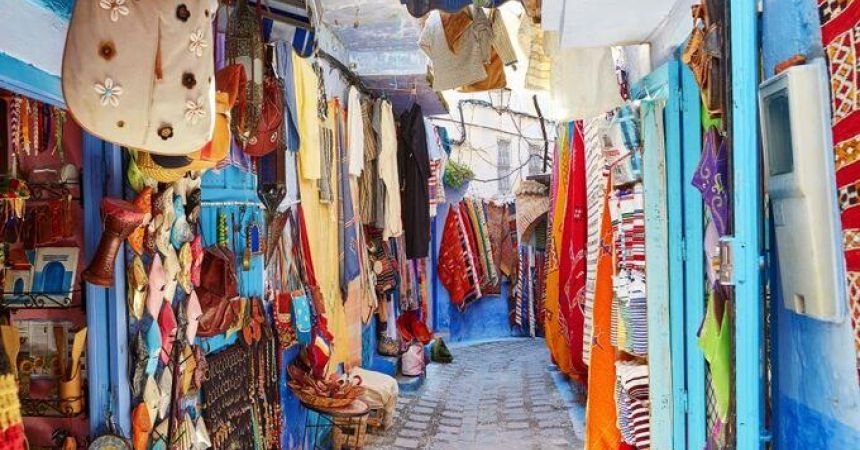
Moroccan fabrics
Silk, Cotton, and Wool: The Foundation Fabrics
The foundation of Moroccan traditional wear lies in its use of high-quality fabrics such as silk, cotton, and wool. Silk is prized for its luxurious feel and is often used in ceremonial garments. Cotton is valued for its durability and comfort, making it suitable for everyday wear. Wool, particularly from the Atlas Mountains, is cherished for its warmth and is used in making traditional cloaks and blankets.
Embellishment Materials: Gold Thread and Sequins
Moroccan traditional wear is renowned for its intricate embellishments, with gold thread and sequins being prominent materials used to add luxury and beauty. These embellishments are skillfully applied to garments through techniques such as embroidery and appliqué, enhancing the visual appeal of the clothing.
Natural Dyes and Traditional Coloring Techniques
The use of natural dyes is a hallmark of Moroccan textile tradition. Techniques passed down through generations involve extracting colors from plants, minerals, and insects to dye fabrics. This not only ensures the authenticity of the textiles but also contributes to their unique, rich colors that are characteristic of Moroccan traditional wear.
Regional Variations in Moroccan Dress
From the northern cities to the southern deserts, Moroccan traditional wear varies significantly across regions, reflecting the diverse cultural, historical, and geographical contexts of each area.
The northern regions of Morocco, particularly Tangier and Tetouan, have been influenced by Mediterranean and European styles, resulting in a unique blend of traditional and modern elements.
Northern Styles: Tangier and Tetouan
The traditional dress in Tangier and Tetouan often features intricate embroidery and a mix of Moroccan and Andalusian patterns, reflecting the historical cultural exchange between these regions.
Central Regions: Fez, Meknes, and Rabat
In the central regions, the influence of the imperial cities is evident. The traditional dress here is often more conservative and ornate, with a focus on rich fabrics and detailed craftsmanship.
Southern Traditions: Marrakech and the Atlas
The southern regions, including Marrakech and the Atlas Mountains, have a distinct style characterized by vibrant colors and bold patterns, often incorporating Berber traditions.
Saharan Influences in Moroccan Dress
The Saharan regions bring a unique touch to Moroccan attire, with flowing robes and turbans that protect against the desert climate, reflecting the practical and cultural needs of the people living there.
| Region | Characteristics | Influences |
| Northern (Tangier, Tetouan) | Intricate embroidery, blend of Mediterranean and Moroccan styles | European, Andalusian |
| Central (Fez, Meknes, Rabat) | Conservative, ornate, rich fabrics | Imperial Moroccan traditions |
| Southern (Marrakech, Atlas) | Vibrant colors, bold patterns | Berber traditions |
| Saharan | Flowing robes, turbans | Desert climate practicalities |
The Artisanship Behind Moroccan Garments
The beauty of Moroccan traditional wear lies in its meticulous craftsmanship. For centuries, skilled artisans have been perfecting their techniques, creating garments that are not only aesthetically pleasing but also rich in cultural significance.
Traditional Weaving Techniques
Traditional weaving is a cornerstone of Moroccan textile art. Artisans use ancient looms to weave intricate patterns and designs into fabrics. This technique, passed down through generations, requires great skill and patience. The result is a fabric that is both durable and beautiful, often used in traditional clothing such as the Djellaba and Kaftan.
Embroidery and Decorative Arts
Embroidery is another vital aspect of Moroccan garment construction. Intricate designs are stitched onto fabrics using various techniques, including the renowned Sfifa and Skalli embroidery styles. These decorative elements add an extra layer of beauty and significance to the garments.
The Art of Sfifa and Skalli Embroidery
Sfifa and Skalli are traditional embroidery techniques that have been practiced for centuries. Sfifa involves intricate stitching that creates a decorative border, while Skalli is known for its use of gold and silver thread to create elaborate designs. These techniques are highly prized for their beauty and complexity.
Regional Embroidery Styles
Different regions in Morocco have their unique embroidery styles, reflecting local traditions and cultural influences. For example, the embroidery in the north may differ significantly from that in the south, showcasing the diversity and richness of Moroccan textile arts.
The Role of Guilds and Artisan Communities
Guilds and artisan communities play a crucial role in preserving traditional Moroccan crafts. These organizations support artisans by providing training, resources, and a platform to showcase their work. By sustaining these traditional practices, they help keep Moroccan cultural heritage alive.
As Moroccan garments continue to captivate audiences worldwide, the artisans behind these beautiful pieces remain committed to their craft. Their dedication to traditional weaving and embroidery ensures that Moroccan traditional wear remains a vibrant and integral part of the country’s identity.
“The art of traditional Moroccan clothing is a reflection of the country’s history, culture, and the skill of its artisans.”
Ceremonial and Wedding Attire in Morocco
In Morocco, wedding and ceremonial garments are not just clothing, but significant cultural symbols that embody the country’s rich heritage and traditions. These special occasion outfits are characterized by their intricate designs, vibrant colors, and symbolic meanings, reflecting the importance of community and faith in Moroccan society.

moroccan wedding dress
The Moroccan Wedding Dress Tradition
The Moroccan wedding dress is a highlight of the country’s ceremonial attire, known for its elaborate designs and symbolic colors. Traditionally, the bride wears multiple outfits during the wedding celebrations, each with its own significance. The Takchita, a layered dress, is a staple of Moroccan weddings, often adorned with intricate embroidery and decorative elements.
Festival and Celebration Garments
Moroccans wear their finest attire during festivals and celebrations, showcasing the country’s rich textile heritage. For instance, during the Mawlid celebrations, people wear their best traditional clothes, often featuring intricate patterns and vibrant colors. These garments not only reflect the joy and festivity of the occasion but also the wearer’s status and respect for tradition.
Religious Occasion Attire
Religious occasions in Morocco are marked with attire that reflects the country’s deep-rooted Islamic traditions. For example, during Eid prayers, men and women dress in their finest, modest clothing, often in white or other symbolic colors. The attire for religious occasions is characterized by simplicity, modesty, and a deep respect for tradition.
Ceremonial and wedding attire in Morocco is a testament to the country’s rich cultural tapestry, blending historical influences with contemporary style. These garments play a crucial role in Moroccan celebrations, embodying the values of community, faith, and tradition.
Modern Interpretations of Morocco Traditional Wear
Moroccan traditional wear is experiencing a renaissance, thanks to contemporary designers who are reimagining classic styles. This revival is not just about preserving the past; it’s about innovating for the future.
Contemporary Designers Reimagining Tradition
Designers like Aziz Akhannouch are at the helm of this movement, blending traditional Moroccan elements with modern aesthetics. Their designs showcase the versatility of Moroccan traditional wear, making it appealing to a new generation. As “Fashion is not just about clothes; it’s about a way of life.” This quote resonates with the approach of contemporary Moroccan designers who are redefining traditional wear.
The use of innovative materials and techniques is also a hallmark of modern Moroccan fashion. Designers are incorporating sustainable practices and new textiles into their creations, ensuring that Moroccan traditional wear remains relevant in the global fashion landscape.
Fusion of Traditional and Western Elements
The fusion of traditional Moroccan elements with Western styles is creating a unique blend that is captivating audiences worldwide. This blend is evident in the incorporation of Western silhouettes with traditional Moroccan embroidery and patterns. As a result, Moroccan traditional wear is becoming more versatile and accessible to a broader audience.
According to
“The future of Moroccan fashion lies in its ability to balance tradition with innovation.” –
Fashion Expert
, the key to the success of modern Moroccan designers is their ability to merge the old with the new, creating a distinctive style that honors the country’s heritage while embracing global trends.
Preserving and Caring for Authentic Morocco Traditional Wear
To keep Moroccan traditional garments in pristine condition, it’s essential to understand the best practices for their preservation and care. Moroccan clothing is not just beautiful but also carries significant cultural and historical value, making its preservation crucial.
Proper Storage and Maintenance
Proper storage is the first step in preserving Moroccan traditional wear. Garments should be stored in a cool, dry place, away from direct sunlight to prevent fading and damage to the fabric. Using breathable storage materials like cotton or muslin bags is recommended, as they allow air to circulate around the garments, preventing moisture buildup.
Regular maintenance is also crucial. This includes gentle cleaning methods and avoiding harsh chemicals that can damage the fabric or cause colors to bleed. For delicate or heavily soiled items, professional cleaning services that specialize in traditional garments are advisable.
Restoration and Repair of Vintage Pieces
Restoring vintage Moroccan garments requires a skilled hand and a deep understanding of traditional textile arts. The process involves carefully repairing damaged areas, re-embroidering worn-out designs, and restoring the garment to its original glory without compromising its authenticity.
| Restoration Technique | Description | Benefit |
| Re-embroidery | Carefully re-creating traditional embroidery patterns on worn-out areas. | Preserves the original design and cultural significance. |
| Fabric Repair | Mending tears and damaged areas with matching fabric and techniques. | Extends the life of the garment. |
| Dyeing | Restoring or changing the color of the garment using traditional natural dyes. | Revitalizes the appearance and can correct fading. |
By employing these restoration techniques, vintage Moroccan garments can be preserved for future generations, maintaining their cultural and historical significance.
Conclusion
Morocco traditional wear is a vibrant reflection of the country’s rich cultural heritage. From the iconic djellaba to the majestic kaftan, every garment tells a story of tradition, identity, and craftsmanship. As explored in this article, the history, significance, and modern interpretations of Moroccan clothing are interconnected, forming a tapestry that continues to evolve.
By appreciating and preserving this heritage, we can ensure that Morocco’s traditional wear remains a living, breathing part of its culture. The intricate designs, luxurious fabrics, and skilled artisanship that characterize Moroccan clothing are a testament to the country’s enduring legacy. As we conclude our journey through Morocco traditional wear, it is clear that this cultural treasure is worth celebrating and preserving for future generations.
FAQ
What is the significance of traditional dress in Moroccan identity?
Traditional dress plays a significant role in Moroccan culture, symbolizing values such as modesty, hospitality, and community.
What are the main influences on Moroccan clothing?
Moroccan clothing is a tapestry woven from various cultural influences, including Berber, Arab, and Mediterranean traditions.
What is a djellaba, and what are its characteristics?
The djellaba is Morocco’s signature garment, known for its comfort and versatility, with variations in design and structure between male and female styles, as well as across different seasons and regions.
What is the historical significance of the kaftan in Moroccan culture?
The kaftan is a majestic garment in Moroccan culture, often associated with royalty and elegance, with its roots in ancient traditions and evolving over time to become an integral part of ceremonial and wedding attire.
What are some traditional Moroccan fabrics and materials?
Silk, cotton, and wool are foundational fabrics in Moroccan traditional wear, with embellishments like gold thread and sequins adding luxury and beauty.
How do regional variations impact Moroccan dress?
Moroccan dress varies significantly across different regions, reflecting local cultures and histories, with distinct styles in the north, central regions, south, and Saharan areas.
What is the role of artisanship in Moroccan garments?
The artisanship behind Moroccan garments is a testament to the country’s rich craft traditions, with traditional weaving techniques, embroidery, and decorative arts being preserved and passed down through generations.
How is traditional Moroccan clothing preserved and cared for?
Proper storage and maintenance are crucial for extending the life of traditional Moroccan garments, while restoration and repair of vintage pieces require skill and care to respect the original craftsmanship.
How are modern interpretations redefining Moroccan traditional wear?
Contemporary designers are reimagining traditional garments, incorporating new styles and materials while maintaining their cultural essence, creating a unique blend that appeals to both local and international audiences.visit Marrakech
No comment