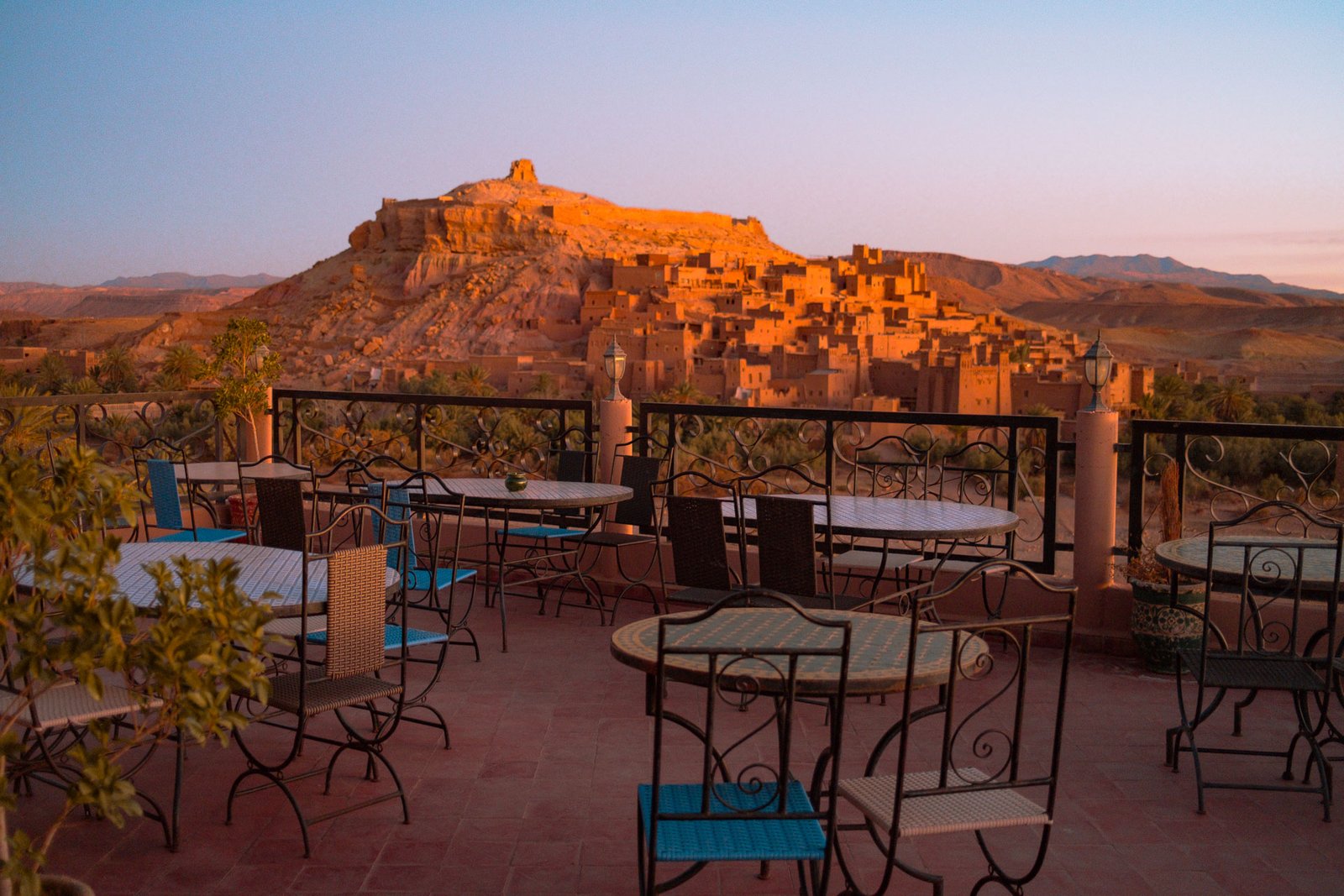
Morocco, a country known for its rich cultural heritage and diverse landscapes, is a destination that attracts travelers from around the world. From the vibrant cities to the stunning natural beauty, Morocco has something to offer for everyone.
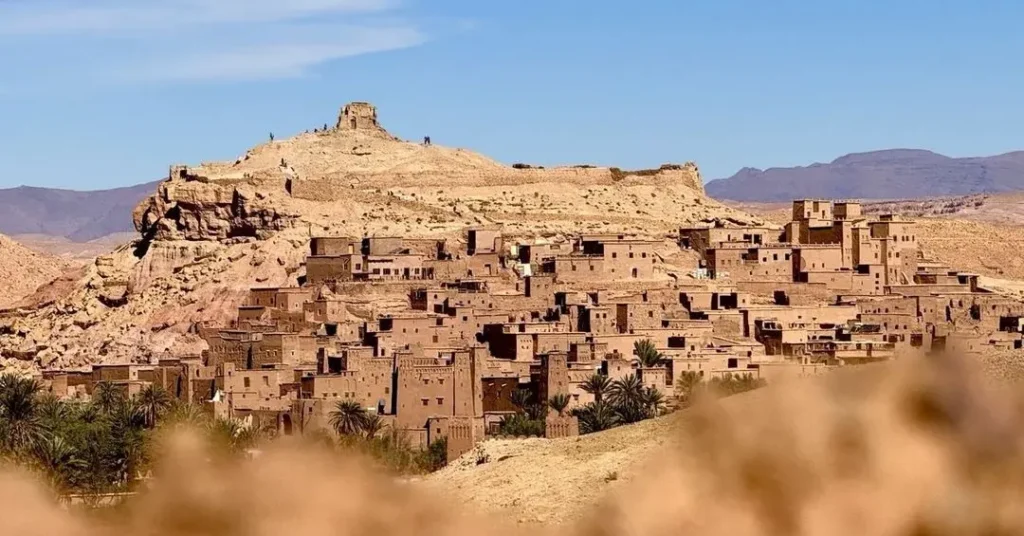
best time to visit Morocco
With its unique blend of African, Arab, and European influences, Morocco is a fascinating place to explore. Understanding the optimal time to travel to Morocco is crucial to making the most of your trip.
Key Takeaways
- Morocco’s climate varies greatly from north to south.
- The peak tourist season is during the spring and autumn months.
- The Atlas Mountains offer a cooler climate year-round.
- Major cities like Marrakech and Fez are bustling with activity.
- The coastal towns provide a more relaxed atmosphere.
Morocco’s Climate Overview
The varied geography of Morocco significantly influences its climate, creating a range of weather conditions across the country. Morocco’s climate is characterized by its diverse landscapes, from the Atlas Mountains to the Sahara Desert.
Geographic Diversity and Its Impact on Weather
Morocco’s geography is marked by significant diversity, including coastal regions, mountains, and deserts. This diversity has a profound impact on the country’s weather patterns. The Atlas Mountains, for instance, create a rain shadow effect, resulting in varied precipitation levels across different regions. The coastal areas tend to have a milder climate compared to the inland regions, which can experience extreme temperatures.
General Seasonal Patterns
Morocco experiences a range of seasonal patterns due to its geographic diversity. Generally, the country has a Mediterranean climate characterized by warm summers and mild winters. The spring season, from March to May, is particularly pleasant, with mild temperatures and blooming landscapes. In contrast, the summer months can be very hot, especially in the desert regions. Autumn brings comfortable temperatures again, while winters can be cool, especially in the mountains.
“Morocco’s climate is as varied as its culture, offering something for every kind of traveler.”
Understanding these general seasonal patterns is crucial for planning a trip to Morocco, as it allows travelers to make informed decisions about the best time to visit based on their preferences.
Spring in Morocco: March to May
Morocco’s spring season, spanning March to May, is characterized by pleasant weather and exciting festivals. This period is ideal for exploring the country’s diverse landscapes and experiencing its rich cultural heritage.
Weather Conditions and Temperatures
During the spring, Morocco enjoys mild temperatures, ranging from 15°C to 25°C (59°F to 77°F), making it an excellent time to visit. The weather is generally sunny, with minimal rainfall, especially in the southern regions.
The Atlas Mountains remain a highlight, with snow-capped peaks gradually melting, creating lush landscapes. Coastal areas like Essaouira and Taghazout benefit from gentle breezes, perfect for windsurfing and kitesurfing.
Spring Festivals and Events
Spring in Morocco is marked by various festivals and events. The Marrakech Popular Arts Festival in July, although slightly beyond spring, is preceded by the Errachidia Music Festival in May, celebrating Berber culture. Additionally, the Rose Festival in El Kelaa M’Gouna, typically in May, honors the rose harvest with parades and traditional dances.
Best Spring Activities and Destinations
Spring is an excellent time for outdoor activities such as hiking in the Atlas Mountains, exploring the Sahara Desert, or relaxing on the coastal beaches. Popular destinations include Marrakech for its vibrant souks, Fes for its historical significance, and Chefchaouen for its picturesque blue-painted buildings.
| Destination | Activity | Temperature Range |
| Marrakech | Explore Souks, Visit Historical Sites | 18°C – 25°C |
| Fes | Visit Ancient Medina, Al-Attarine Madrasa | 15°C – 23°C |
| Chefchaouen | Hike, Relax in Blue-Painted Town | 12°C – 20°C |
Summer in Morocco: June to August
Summer in Morocco, spanning from June to August, is characterized by high temperatures and vibrant cultural events. While the heat can be intense, Morocco offers various ways to enjoy the summer, from cooler coastal retreats to mountain escapes.
Heat Considerations and Regional Variations
The summer months bring high temperatures across Morocco, with the desert regions experiencing extreme heat. However, regional variations offer relief in certain areas. The coastal regions tend to be cooler than inland areas, while the mountains provide a cooler climate.
Coastal Retreats and Mountain Escapes
For those looking to escape the heat, coastal towns like Essaouira and Taghazout offer a refreshing ocean breeze. Alternatively, the Atlas Mountains provide a cooler climate, ideal for hiking and exploring. These destinations are perfect for travelers seeking respite from the summer heat.
Summer Cultural Experiences
Summer in Morocco is not just about the heat; it’s also a time for cultural experiences. The Mawazine Festival in Rabat, typically held in June, celebrates music and culture with performances from around the world. Additionally, various regions host summer festivals, showcasing local traditions and arts.
These cultural events offer a unique insight into Moroccan culture, making summer a great time to experience the country’s rich heritage.
Fall in Morocco: September to November
Fall in Morocco brings a unique blend of mild weather, harvest experiences, and festive events. As the summer heat dissipates, the country transforms into a comfortable and inviting destination for travelers.
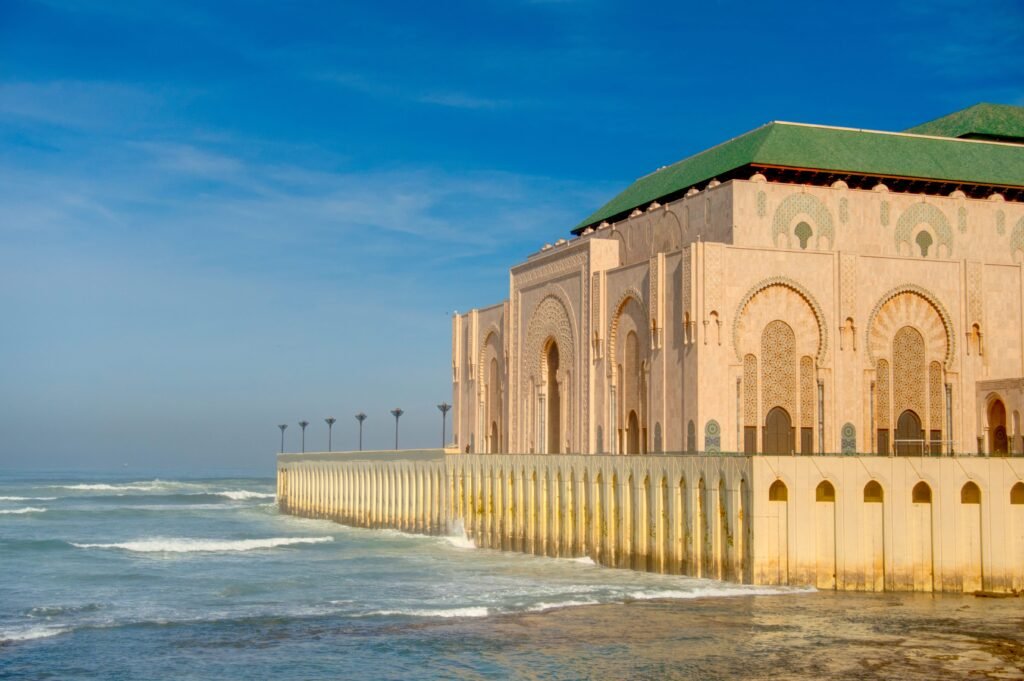
Morocco fall
Weather Patterns and Temperatures
During the fall, Morocco experiences a pleasant climate, with average temperatures ranging from 64°F to 75°F (18°C to 24°C). The weather is generally mild, making it ideal for exploring the country’s diverse landscapes and cultural sites.
Harvest Season Experiences
Fall is the harvest season in Morocco, offering visitors a chance to experience the country’s rich agricultural traditions. From olive harvesting in the Atlas Mountains to grape picking in the regions around Meknès and Fes, there are numerous opportunities to engage with local farming practices.
Key harvest experiences include:
- Olive oil production
- Grape harvesting for wine production
- Visiting local markets to sample fresh produce
Fall Festivals and Events
Morocco’s fall season is marked by various festivals and cultural events. One of the most notable is the Marrakech International Film Festival, which attracts filmmakers and cinema enthusiasts from around the world.
“The Marrakech International Film Festival is a celebration of global cinema, showcasing a diverse range of films and providing a platform for cultural exchange.”
Other events include local harvest festivals, which offer a glimpse into Morocco’s rich cultural heritage and traditions.
Winter in Morocco: December to February
From the snow-capped Atlas Mountains to the mild coastal regions, Morocco’s winter season offers a diverse range of experiences. As the cold weather sets in across much of Europe and North America, Morocco provides a warm and welcoming alternative, with temperatures varying significantly across different parts of the country.
Winter Climate Across Regions
Morocco’s climate during winter varies greatly from north to south and from coastal to mountainous regions. The Atlas Mountains receive significant snowfall, making them ideal for winter sports. In contrast, the coastal regions, such as Casablanca and Rabat, enjoy milder winters, with temperatures rarely dropping below 10°C (50°F). The desert regions can be cool at night but warm during the day, making them a great destination for those looking to escape harsher winter conditions elsewhere.
| Region | Average Temperature (°C) | Weather Conditions |
| Atlas Mountains | 0-5 | Snowfall, ideal for winter sports |
| Coastal Regions | 10-15 | Mild, occasional rain |
| Desert Regions | 10-20 | Cool nights, warm days |
Winter Sports in the Atlas Mountains
The Atlas Mountains offer some of the best skiing and snowboarding in Africa. Resorts like Oukaïmeden and Mischliffen provide a range of slopes for different skill levels, making Morocco a great destination for winter sports enthusiasts. The snow season typically runs from December to March, with the best conditions usually found in January and February.
Holiday Celebrations and Experiences
Winter is also a time for festive celebrations in Morocco. The country observes Christmas and New Year’s Eve, with many hotels and resorts offering special holiday packages. Additionally, the Mawlid al-Nabi, celebrating the birth of the Prophet Muhammad, often falls in winter, providing a unique cultural experience for visitors.
“The winter season in Morocco is a time of joy and celebration, with a blend of international and local festivities that add to the country’s vibrant cultural tapestry.”
Overall, Morocco in winter offers a unique blend of outdoor activities, cultural experiences, and relaxation, making it an attractive destination for travelers looking for something different during the colder months.
The Best Time to Visit Morocco’s Major Cities
From the bustling streets of Marrakech to the serene landscapes of Chefchaouen, Morocco’s cities offer diverse experiences throughout the year. Each city has its unique charm and ideal time to visit, making Morocco a versatile destination for travelers.
Marrakech: When to Experience the Red City
Marrakech is vibrant year-round, but the best time to visit is during spring (March to May) or autumn (September to November). These seasons offer pleasant temperatures, making it ideal for exploring the city’s souks, gardens, and landmarks. Summer can be very hot, while winters are mild but can be busy during the holiday season.
Fes: Ideal Timing for the Cultural Capital
Fes, with its rich history and cultural significance, is best visited during spring or autumn. The weather is mild, and the city’s ancient medina, mosques, and madrasas are more comfortably explored without the peak summer heat. Spring adds a beautiful bloom to the city’s gardens and surrounding countryside.
Casablanca and Rabat: Coastal City Timing
Casablanca and Rabat, Morocco’s coastal cities, have a Mediterranean climate. The best time to visit is during autumn and spring when the weather is pleasant. Summer can be humid, while winters are generally mild. These cities are great year-round destinations for those who prefer coastal experiences.
Chefchaouen: Visiting the Blue City
Chefchaouen, nestled in the Rif Mountains, is known for its blue-painted buildings. The best time to visit is during spring and early autumn. The weather is mild, and the surrounding natural beauty is particularly stunning during these seasons. Summer can be warm, but it’s a great time for hiking and exploring the outdoors.
| City | Best Time to Visit | Weather Conditions |
| Marrakech | Spring, Autumn | Pleasant temperatures |
| Fes | Spring, Autumn | Mild weather |
| Casablanca and Rabat | Autumn, Spring | Pleasant, mild winters |
| Chefchaouen | Spring, Early Autumn | Mild, great for hiking |
When to Explore Morocco’s Natural Wonders
Morocco’s diverse landscapes offer a wealth of natural wonders to explore. From the vast dunes of the Sahara Desert to the rugged peaks of the Atlas Mountains and the pristine beaches along its coastline, Morocco’s natural beauty is a major draw for travelers.
Sahara Desert Excursions: Timing Considerations
The best time to visit the Sahara Desert is during the winter months (December to February) when temperatures are more bearable, making desert excursions more comfortable. Avoid visiting during the peak summer months as temperatures can soar.
Atlas Mountains: Hiking and Exploration Seasons
The Atlas Mountains are ideal for hiking and exploration during the spring (March to May) and autumn (September to November). These seasons offer mild temperatures and clear skies, perfect for trekking and enjoying the scenic beauty.
Coastal Areas and Beaches: Best Months
The coastal areas and beaches of Morocco are best enjoyed during the summer months (June to August) when the weather is warm and sunny. However, the shoulder season (April to May and September to October) can also be pleasant, with fewer crowds.
Understanding the best times to visit Morocco’s natural wonders can significantly enhance your travel experience, allowing you to enjoy these beautiful landscapes to the fullest.
Traveling During Ramadan and Religious Holidays
Ramadan in Morocco is a period of spiritual reflection, community, and distinct cultural practices. Visitors during this time can experience the local culture in a unique way, though it’s essential to be respectful of the traditions and customs.
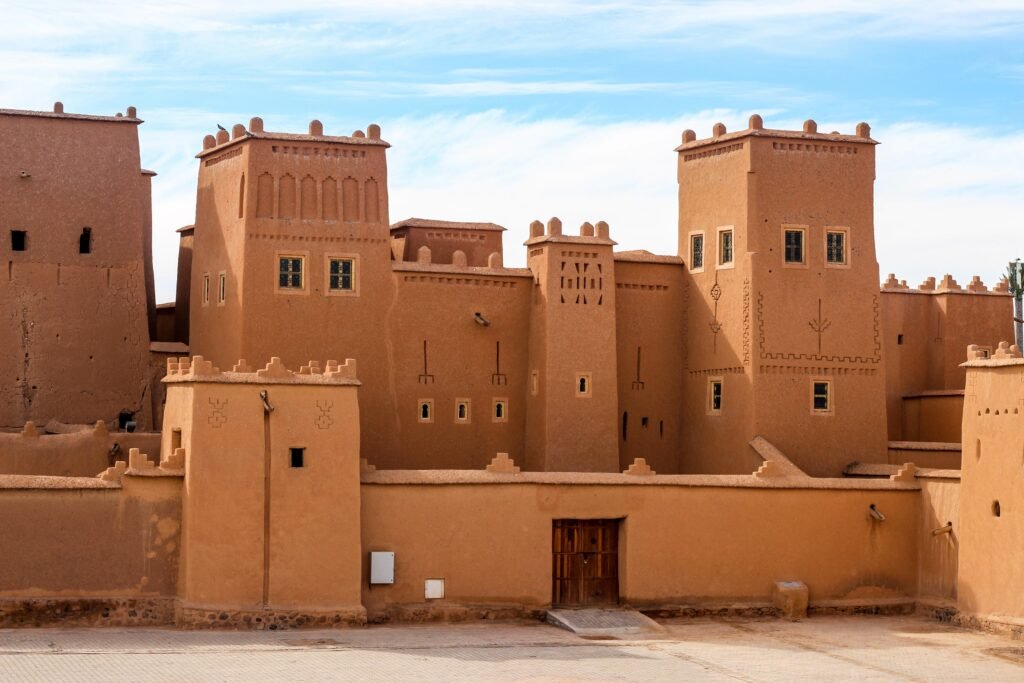
Morocco Ramadan
What to Expect During Ramadan
During Ramadan, Muslims fast from dawn to sunset. This period is characterized by a sense of community and spirituality. Tourists should be prepared for changes in daily routines, with many restaurants and cafes closed during the day. However, the evenings come alive with food, music, and a vibrant atmosphere. It’s a great time to experience Moroccan hospitality and traditional cuisine.
As one traveler noted, “Ramadan in Morocco is a sensory experience like no other, with the aroma of traditional foods and the sound of prayers filling the air.” This sentiment reflects the unique cultural immersion that visitors can enjoy during this period.
Other Religious Observances and Their Impact on Travel
Apart from Ramadan, Morocco celebrates other significant religious holidays, such as Eid al-Fitr and Eid al-Adha. These celebrations can impact travel plans, with some businesses closing or operating on reduced hours. Understanding and respecting local customs is crucial. Visitors can benefit from experiencing these unique cultural events, which offer a deeper insight into Moroccan society.
For instance, Eid al-Fitr, marking the end of Ramadan, is a time of feasting and gift-giving, providing a fascinating glimpse into Moroccan traditions.
Best Time to Visit Morocco Based on Your Travel Style
The best time to visit Morocco largely depends on your travel preferences and what you want to experience. Morocco’s diverse climate and rich cultural calendar mean that the ideal travel time can vary significantly depending on your interests.
For Cultural Immersion and Festivals
If you’re drawn to Morocco’s vibrant culture and festivals, consider visiting during the spring (March to May) or fall (September to November). These periods coincide with numerous cultural events and festivals, such as the Marrakech Popular Arts Festival in July, though the weather is more pleasant during the shoulder seasons. Experience the local traditions and music that fill the streets during these times.
For Adventure and Outdoor Activities
For those seeking adventure, such as hiking in the Atlas Mountains or exploring the Sahara Desert, the cooler months from October to April are ideal. The temperatures are more manageable, making outdoor activities like trekking and camel rides more enjoyable. Don’t miss the opportunity to watch the sunrise over the desert dunes.
For Photography and Sightseeing
Photographers and sightseers will find the autumn (September to November) and spring (March to May) particularly rewarding. The mild weather and fewer tourists make it easier to explore Morocco’s historic sites and natural beauty. Capture the vibrant colors and textures of the bustling souks and the serene landscapes.
For Budget-Conscious Travelers
Budget-conscious travelers may find that visiting during the shoulder season (April to May or September to October) offers the best balance between cost and experience. The weather is pleasant, and there’s less competition for accommodations and tourist services, making it an ideal time for those looking to save without missing out on the essence of Morocco.
By tailoring your trip to Morocco according to your travel style, you can ensure a more fulfilling and enjoyable experience. Whether you’re drawn to cultural immersion, adventure, photography, or budget travel, Morocco has something to offer at various times of the year.
Practical Tips for Every Season
Planning a trip to Morocco requires more than just choosing the right time to visit; it also involves preparing for the seasonal conditions you’ll encounter. Whether you’re visiting in the spring, summer, fall, or winter, being prepared can make a significant difference in your travel experience.
Packing Recommendations by Season
Packing for Morocco varies significantly with the seasons. In the spring and fall, layers are key due to the fluctuating temperatures. For summer, light, breathable clothing is essential, while winter requires warm clothing, especially for the Atlas Mountains. Don’t forget to include comfortable walking shoes, sun protection, and a respectful dress code for visiting religious sites.
Transportation and Accommodation Considerations
Transportation in Morocco ranges from modern trains to traditional riads. Booking accommodations in advance is advisable, especially during peak travel seasons. Consider riads for a more authentic experience, and research transportation options like trains and buses for convenient travel between cities.
Conclusion: Planning Your Perfect Moroccan Adventure
With its diverse climate and rich cultural heritage, Morocco offers a unique travel experience. Understanding the best time to visit Morocco is crucial for a memorable Morocco adventure. Whether you’re looking to explore the vibrant cities, relax on the coastal beaches, or trek through the Atlas Mountains, timing is everything.
By considering the seasonal variations and planning accordingly, you can make the most of your Morocco travel. Spring and fall are ideal for cultural immersion and outdoor activities, while summer is perfect for coastal retreats. Winter offers a serene landscape and opportunities for winter sports.
With this guide, you’re now equipped to plan your trip to Morocco according to your preferences. Make the most of your Morocco adventure by choosing the best time to visit, and get ready to immerse yourself in the country’s rich history, culture, and natural beauty.
FAQ
What is the best time to visit Morocco?
The best time to visit Morocco depends on your preferences, but generally, spring (March to May) and fall (September to November) are considered ideal due to the pleasant weather.
Is Morocco hot during the summer?
Yes, Morocco can be very hot during the summer, especially in the desert regions, but the coastal areas and mountains offer cooler retreats.
Can I visit Morocco during Ramadan?
Yes, you can visit Morocco during Ramadan, but be respectful of the fasting period and local customs.
What are the best activities to do in Morocco during the spring?
Spring is a great time to explore Morocco’s cities, enjoy outdoor activities like hiking in the Atlas Mountains, and experience the vibrant festivals.
How cold does it get in Morocco during the winter?
Morocco’s climate varies, but the Atlas Mountains can be quite cold, while the coastal regions are generally milder.
Are there any specific events or festivals I should attend in Morocco?
Yes, Morocco hosts various festivals throughout the year, such as the Marrakech International Film Festival and the Fes Festival of World Sacred Music.
What should I pack for a trip to Morocco?
Packing should be adjusted according to the season; light clothing for summer, layers for winter, and comfortable shoes for exploring.
Can I go hiking in the Atlas Mountains during the winter?
Yes, the Atlas Mountains offer opportunities for winter sports, but be prepared for cold weather and potential snow.
How does the climate vary across different regions in Morocco?
Morocco’s climate varies significantly from the coastal regions to the mountains and desert, offering a range of experiences.
Are there budget-friendly options for accommodations in Morocco?
Yes, Morocco offers a range of accommodations, from budget-friendly riads to luxury hotels, depending on your preferences and budget.
What is the best way to get around Morocco?
Morocco has a well-developed transportation network, including trains, buses, and taxis, making it relatively easy to get around.
No comment